Perimeter and attachment documentation for wind and severe-storm damage on Knoxville commercial roofs.
The Tennessee Valley sees its share of severe thunderstorms, and Knoxville's position between the ridges east of the city and the valley floor can channel wind along certain corridors during a storm system, which is one reason two buildings a few miles apart sometimes show very different roof damage after the same event. Straight-line wind and, occasionally, tornado-warned cells are the storm types most commercial roofs in this area actually face.
Where Wind Damage Shows Up First
Wind uplift forces concentrate at parapet edges, roof corners, and field transitions, the same areas that carry the highest structural stress in a wind event. That is usually where we find the first visible signs of damage: lifted or torn membrane along the perimeter, displaced ballast or pavers, bent or missing edge metal and coping caps, and flashing pulled away from curbs and penetrations, even when the center of the roof field still looks intact.
Documenting Attachment Beyond Surface Condition
Wind damage documentation is different from hail documentation. Instead of photographing surface bruising, we log where the membrane has separated from the deck or insulation, note the fastening or adhesive pattern that's still holding, and measure the extent of any torn or missing sections. That attachment-level detail is what tells an adjuster whether the wind exceeded the roof's design uplift resistance or found an existing weak point.
Emergency Dry-In and the Claim Timeline
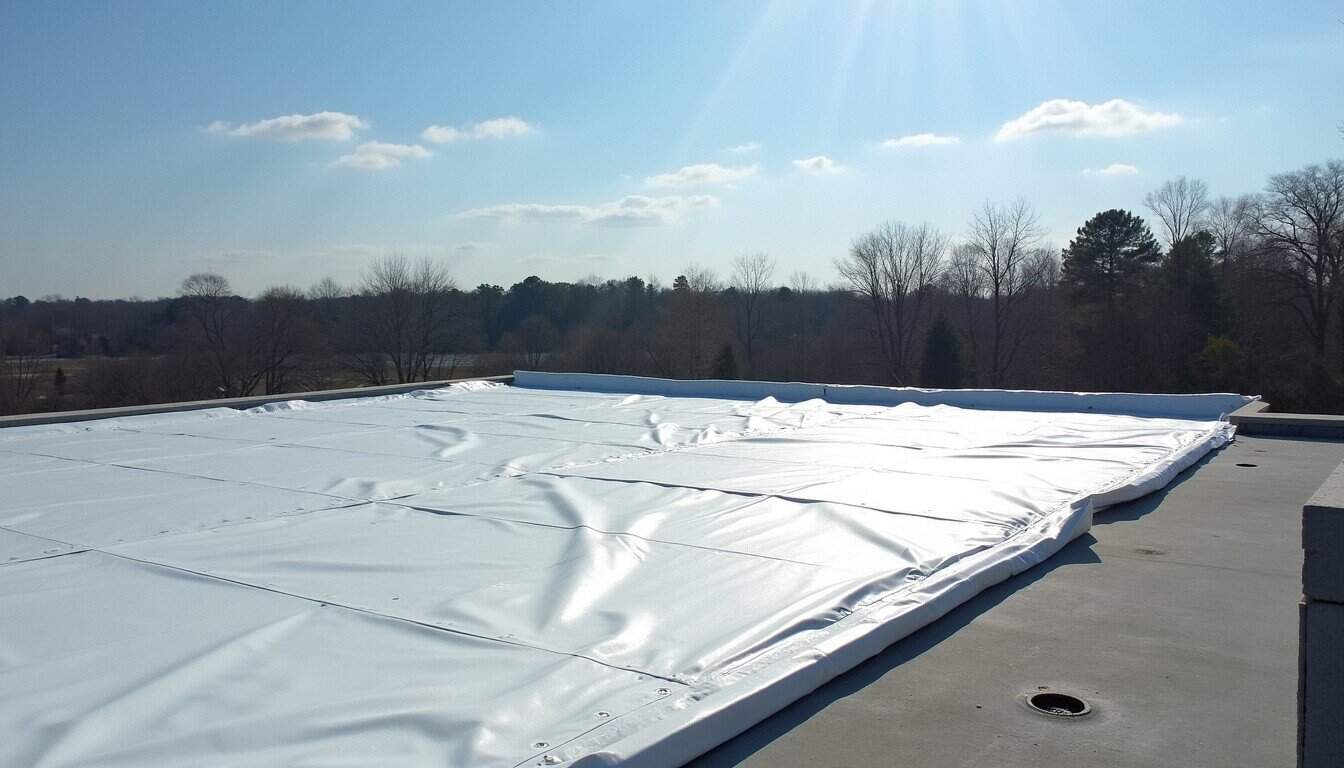
When wind damage has opened the roof to active water intrusion, emergency tarping or dry-in protects the building interior and is generally expected by carriers. Before any area is covered, we photograph and measure the full extent of the exposed damage so the original condition is documented ahead of whatever remains visible after temporary protection goes down.
Building the Wind Damage Scope
Once the roof walk is complete, we put together a scope that separates the wind-affected perimeter from the rest of the field, calls out edge metal and flashing repair or replacement, and notes any code or ordinance items that come into play if a section requires more than a spot repair. That scope, along with the photo and measurement record, is what goes to your adjuster.
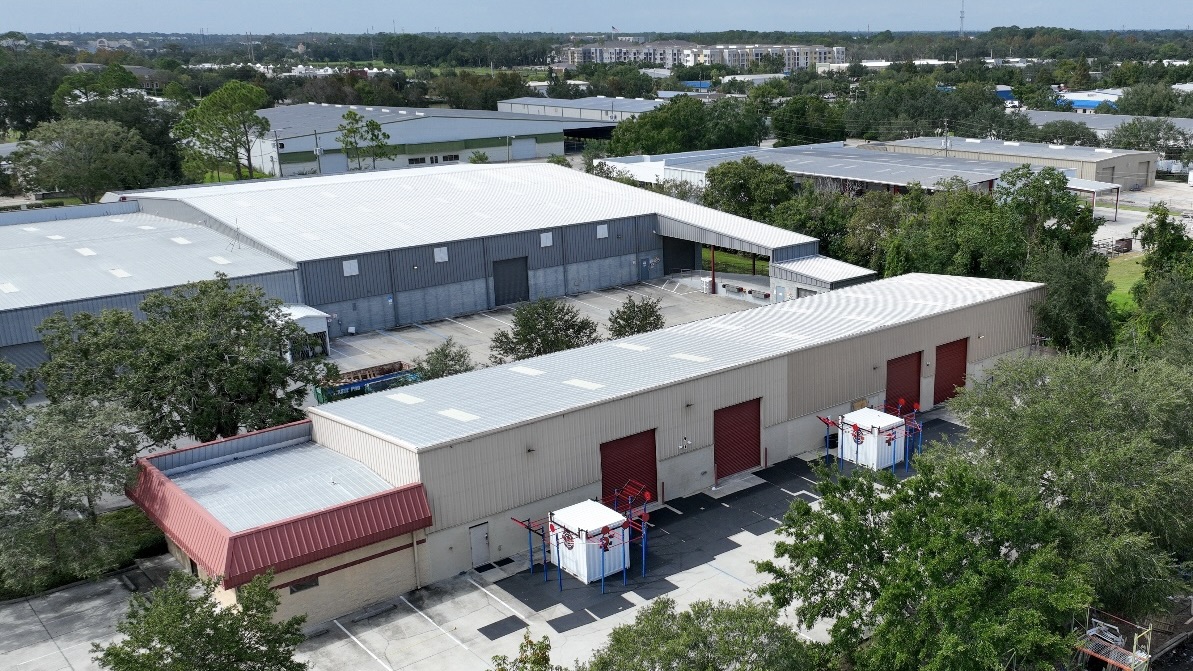
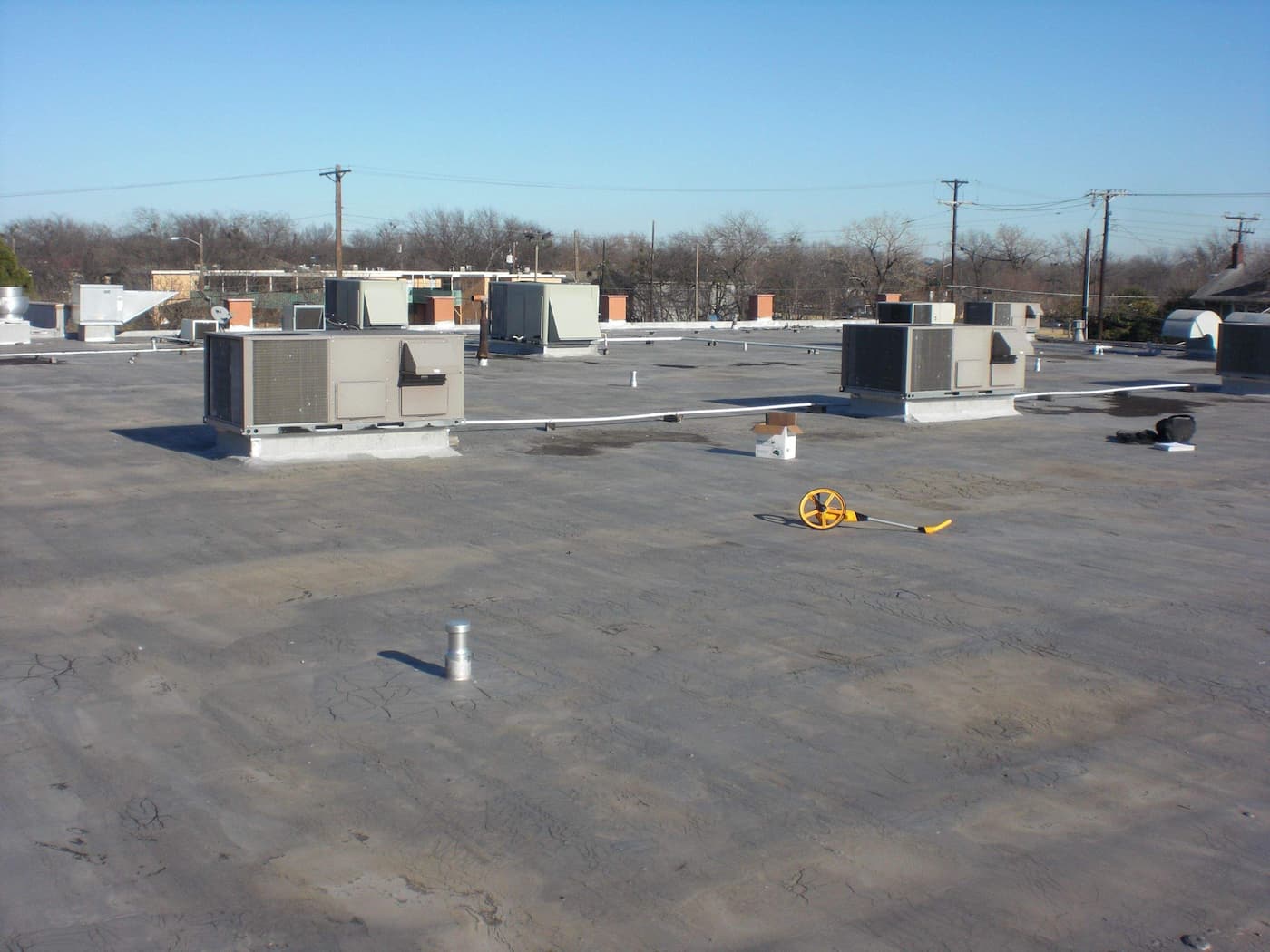
Distribution and warehouse buildings along the I-40 and I-75 corridors carry large, exposed roof fields that see the full force of a straight-line wind event, while smaller commercial roofs closer to downtown and UT-adjacent blocks tend to show damage concentrated at parapet transitions between adjoining rooflines. Around the Oak Ridge corridor, low-slope roofs over tech and industrial buildings often carry rooftop equipment that adds its own wind-exposed edges, so the roof walk has to account for curb flashing and unit anchoring alongside the membrane itself.
We're your roofing contractor, not a public adjuster, we document and substantiate the wind and storm damage so you and your adjuster work from an accurate scope. Send the building address and, if you have it, the date of the storm, and we'll schedule a roof walk.