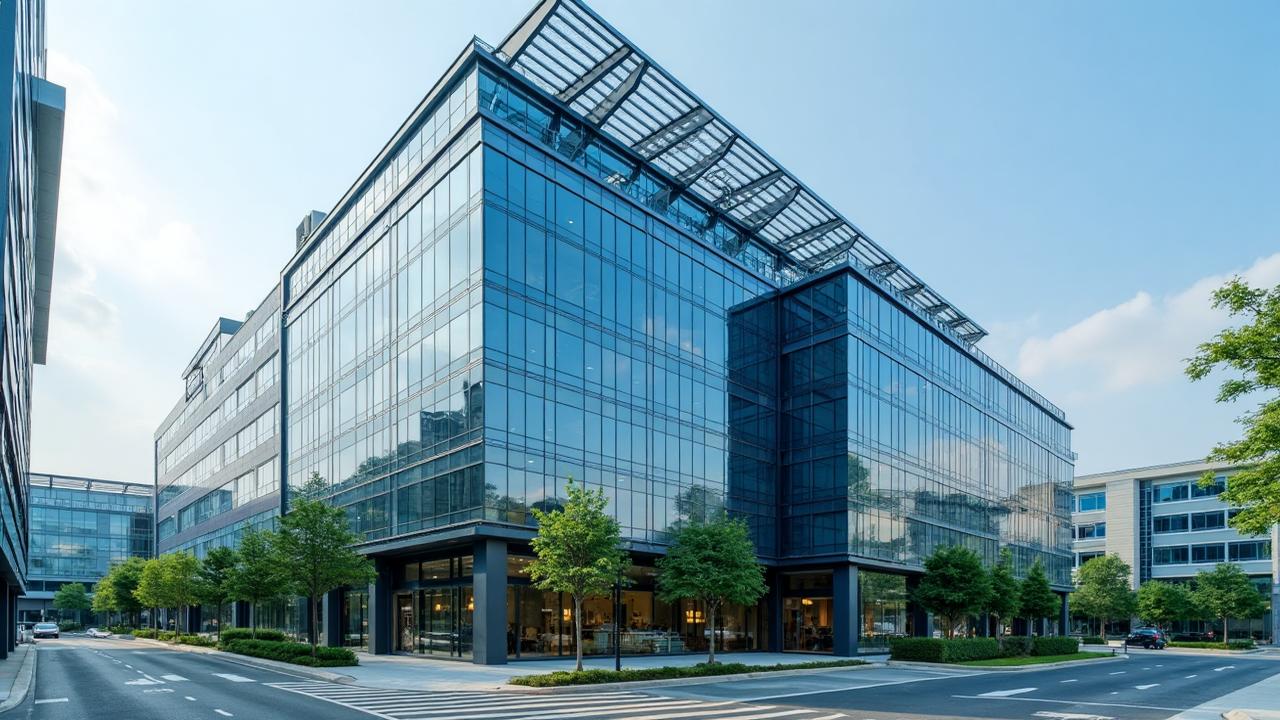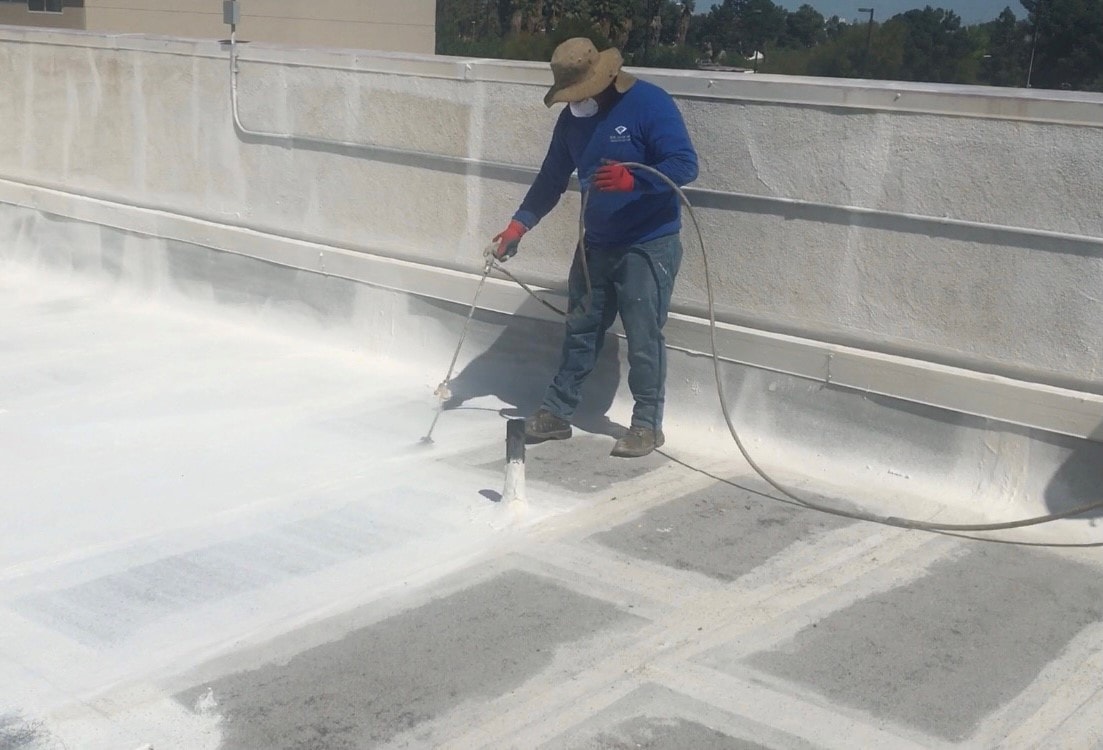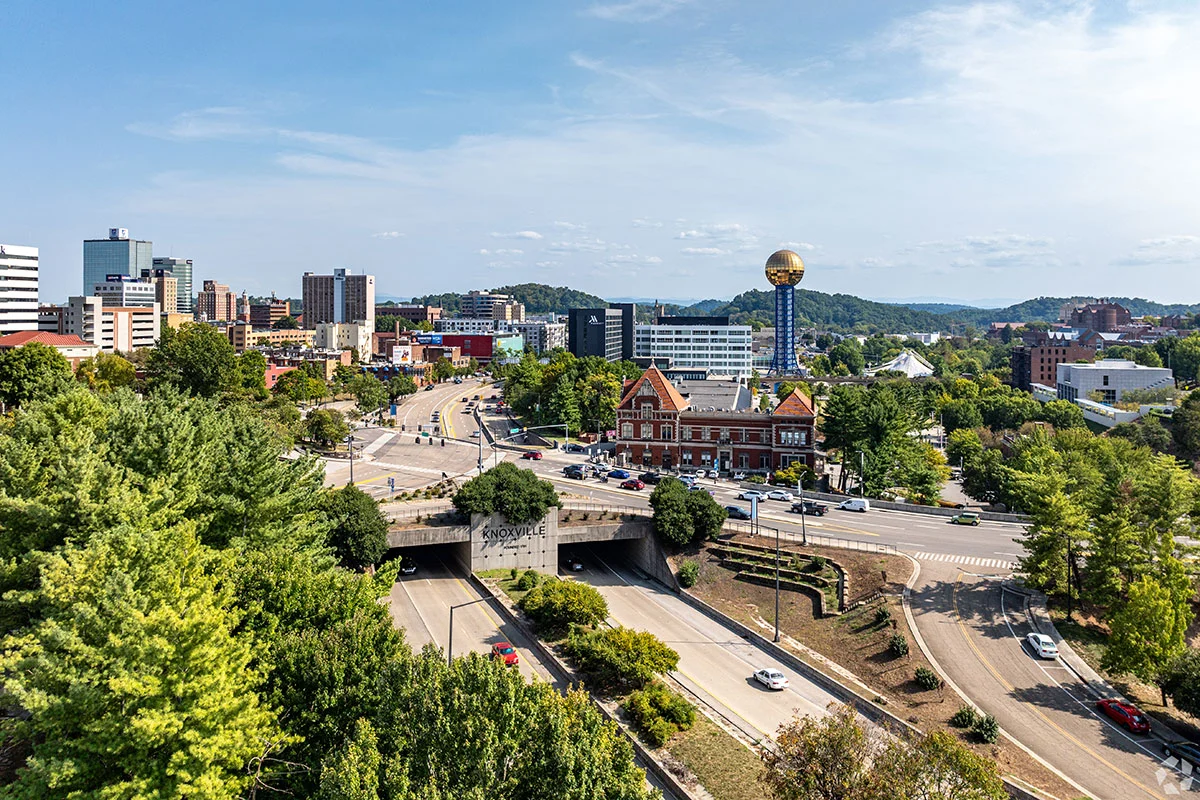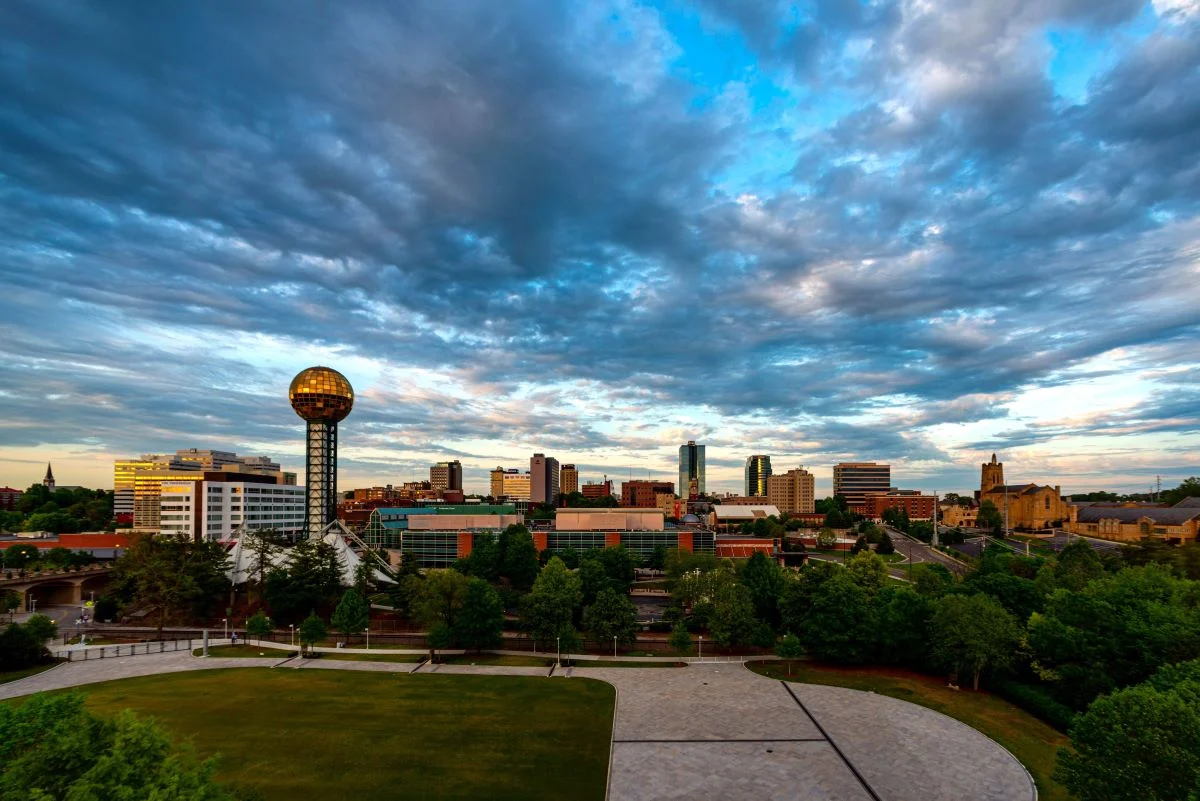
Industrial Roofing for manufacturing facilities, warehouses, and industrial buildings throughout Knoxville Metro.
Knoxville sits at the intersection of I-40 and I-75, which makes it the gateway to the Southeast from the Midwest and the Northeast simultaneously. That geography drives a lot of industrial activity, warehousing, logistics, distribution, and the manufacturing that supports Appalachian Tennessee's economy. But what makes Knoxville's industrial market genuinely distinctive is the presence of Oak Ridge National Laboratory just 25 miles west and the Tennessee Valley Authority's regional operations. The industrial building stock in this area isn't just logistics boxes. It includes research facilities, energy infrastructure, and the precision manufacturing and technology operations that cluster around major national science institutions.
Oak Ridge National Laboratory is one of the Department of Energy's premier science and energy research institutions, and the contractor and support facilities that surround it, in Oak Ridge proper and in the West Knox County industrial corridor, include a wide range of building types and operational requirements. Work on buildings associated with DOE facilities requires the same kind of security coordination and contractor access management that we discussed with Huntsville's defense sector. We're familiar with the federal facility contractor process, and we have the administrative infrastructure to handle the documentation and access requirements that come with work near national laboratory infrastructure.
Tennessee Valley Authority's operations in the Knoxville region include both administrative and operational facilities, and the TVA building stock reflects the utility's history, some of the original infrastructure dates to the 1930s and 40s, while newer operational facilities reflect modern construction standards. The older TVA-era buildings in the Knoxville metro have masonry and poured concrete construction that requires a different approach than modern tilt-up. Roof drainage on these buildings was designed for a different era, the parapets are substantial, and the original structural detailing at the parapet-to-wall interface often needs attention before any new membrane work makes sense. We've worked on enough vintage industrial buildings in this region to respect what they require.
Knoxville gets 47 inches of rain annually and about 10 inches of snow, but the more significant winter factor is ice storms. The I-40 and I-75 corridors through Knoxville are periodically shut down by ice events, and the same storms that close the highways create ice accumulation on commercial roofs that tests drainage and membrane performance. Ice damming at drains is the primary ice storm concern, when drain sumps ice over and water backs up behind the dam, it finds any existing entry point in the membrane and exploits it. We recommend heat trace on primary drain lines for Knoxville industrial facilities where interior operations can't tolerate any moisture intrusion, particularly research and high-value manufacturing buildings.
The I-40 corridor east toward Sevierville and west through the Cumberland Plateau is lined with warehousing and distribution facilities that serve the regional logistics market. These buildings are generally modern single-ply construction, but the topography of the Tennessee Valley creates wind channel effects in storm events that are more severe than flat-terrain buildings in similar weather. The gap winds that come through the Clinch Mountain and Cumberland Mountain crossings can produce localized wind loads that exceed what the building was designed for based on regional wind map values alone. We design perimeter attachment for Knoxville area industrial buildings with the local topographic wind acceleration in mind, not just the code map minimum.
Eastman Chemical in Kingsport is 40 miles east of Knoxville, and while it's a different market, the Knoxville metro serves as the regional commercial hub for the Tri-Cities industrial sector. Building owners and facilities managers from Kingsport and Johnson City regularly work with Knoxville-based contractors for projects that don't have local coverage. We're familiar with the building stock in that corridor, Eastman's supplier and logistics facilities, the manufacturing operations along US-11E and I-81, and we make the drive when the project warrants it. The industrial chemistry buildings near Eastman have their own hot-work and chemical exposure considerations that we manage the same way we do in Jackson or any other chemical-industry facility.
Downtown Island Home Airport industrial area on the south side of Knoxville is an older, mixed-use industrial zone with a range of building conditions. Some of the buildings there haven't had significant roof investment in decades, and the condition assessments we do on Island Home-area buildings frequently turn up multi-layer assemblies on aging decks that require a total tear-off approach before any new work can be done responsibly. These projects are sometimes more complex and more expensive than a straightforward re-roofing, but the alternative, putting new materials on a compromised substrate, just transfers the problem to a few years down the road.
Knoxville's climate sits in a transition zone between the humid subtropical South and the more continental Appalachian climate pattern. Summer humidity is high enough to create significant interior moisture loading in industrial buildings that aren't tightly sealed, and the daily temperature swings in spring and fall are large enough to stress membrane systems that weren't specified with that cycling in mind. We pay attention to vapor management in Knoxville assemblies specifically because the climate sits in a zone where getting the vapor retarder placement wrong in either direction, too warm in the assembly or too cool, can create condensation issues that weren't a problem in the more extreme northern or southern climates the standard charts are designed around.
The Coldstream Research Campus and the industrial and technology development corridor along US-25W north of the city has been growing as Knoxville's technology and research economy expands. These newer buildings are generally better maintained than the older industrial stock, but they come with their own challenges: dense penetration layouts, solar arrays on some buildings that add load and waterproofing complexity, and tenant improvement activity that adds roof penetrations without always involving a qualified roofing contractor. We've developed a rooftop penetration management service for research park building owners who want to stay ahead of the compliance issues that accumulate when tenants add equipment to roofs without proper oversight.
Knoxville's industrial and research sector has a lot of square footage that depends on reliable roofing. From the Oak Ridge support corridor to the I-75 distribution zone to the Tri-Cities commercial buildings we serve on the east end, we bring the same approach: understand the building, understand the climate, specify the right system, and install it correctly. That's what reliable industrial roofing looks like in east Tennessee.
DOE facility contractor requirements are substantial, background checks, badging, site-specific orientation, and in some cases security clearance requirements for personnel who will access certain areas. The specific requirements vary by the proximity and classification of the work location. For buildings in the Oak Ridge support zone and the corridor west of Knoxville, the process is similar to other federal facility contractor approvals: plan for it to take two to four weeks before work can begin, have all crew documentation ready in advance, and be prepared to follow facility-specific safety protocols that go beyond standard OSHA requirements. We manage this process routinely and build the lead time into project scheduling.
Ice accumulation creates two problems: added load concentrated at drain areas and parapets where ice builds up, and ice dam conditions that back up water behind the ice barrier. For buildings with older membrane systems, the expansion forces from ice formation in any existing crack or open seam can enlarge those defects significantly. After any Knoxville ice event, we recommend a drain-check and surface inspection before the next significant rain cycle. The drain check is most important, a drain that's capped with ice won't drain any rain that falls on the roof while the ice is melting, creating a substantial ponding load on a system that may already be stressed from the ice accumulation.
Knoxville and Nashville have similar climate profiles, both are in ASHRAE climate zone 4A (mixed-humid), but Knoxville's mountain-corridor location adds ice storm frequency and wind channel effects that Nashville doesn't see as often. The base specification is similar: fully adhered TPO or PVC on polyisocyanurate insulation, with perimeter enhancement for wind uplift. For Knoxville, we add attention to the specific drain heat trace recommendation for buildings sensitive to ice dam formation, and we specify perimeter attachment with the gap wind acceleration factor in mind for buildings in the valley corridor locations. These are refinements to a standard specification rather than a completely different approach.
Active research buildings require work planning that treats the interior as a protected environment. We review the building's operational requirements with the facilities manager before any work begins, understanding what equipment is running below, where air intakes are located, and what noise or vibration restrictions apply to the research work. During demolition phases, we use dust containment methods appropriate for the sensitivity level. On buildings with very sensitive equipment (vibration-sensitive instruments, cleanroom protocols), we schedule mechanical demolition during off-hours or weekends. Every penetration in an active research facility is temporarily sealed during work to prevent debris, adhesive vapors, or water from entering the building below.
A 1998 distribution building is at or past the typical service life for its original roofing system. The most common scenario is a modified bitumen or early-generation single-ply installation that has received maintenance repairs but hasn't been replaced. At 25-plus years, the membrane is likely showing seam stress, the base flashings at curbs are probably soft or cracked, and the insulation may have moisture from multiple cycles of minor infiltration that was never fully addressed. A core sample and infrared scan will tell you the actual insulation condition. The result is usually either a case for full replacement or a case for an overlay system if the deck and insulation are in acceptable condition, we can help you determine which applies.
What information should we send before a Built-Up Roofing roof walk?
Before a Built-Up Roofing roof walk, send the building location, roof age if known, roof access instructions, leak photos, tenant restrictions, and prior roof reports. Those details let us shape the inspection around the actual roof problem instead of arriving with a generic checklist.
Can Built-Up Roofing be handled while the building stays occupied?
For Built-Up Roofing, occupied-building work depends on access, odor, noise, staging room, weather exposure, and how much roof must be opened at one time. We phase the work around dry-in, tenant protection, loading paths, and the operating schedule below the roof.
How do we compare repair, coating, recover, and replacement for Built-Up Roofing?
For Built-Up Roofing, we compare moisture evidence, layer count, deck condition, drainage, age, storm exposure, roof traffic, and future use before naming a scope. That evidence is what separates a repair file from a restoration plan, a recover option, or a replacement budget.
Do you promise manufacturer certification or insurance approval for Built-Up Roofing?
For Built-Up Roofing, we do not invent credentials, promise claim outcomes, or write warranty language before the facts support it. We document conditions, identify manufacturer or carrier questions, and keep recommendations tied to reviewable roof evidence.
What makes Knoxville planning different for Built-Up Roofing?
Knoxville planning for Built-Up Roofing has to account for downtown access, UT and hospital-area traffic, Pellissippi and Oak Ridge industrial corridors, humid Tennessee Valley heat, severe thunderstorms, hail, freeze-thaw movement, leaf debris, and wind-driven rain.