Commercial roofing for university buildings, dormitories, academic halls, and college campuses throughout Knoxville, TN.
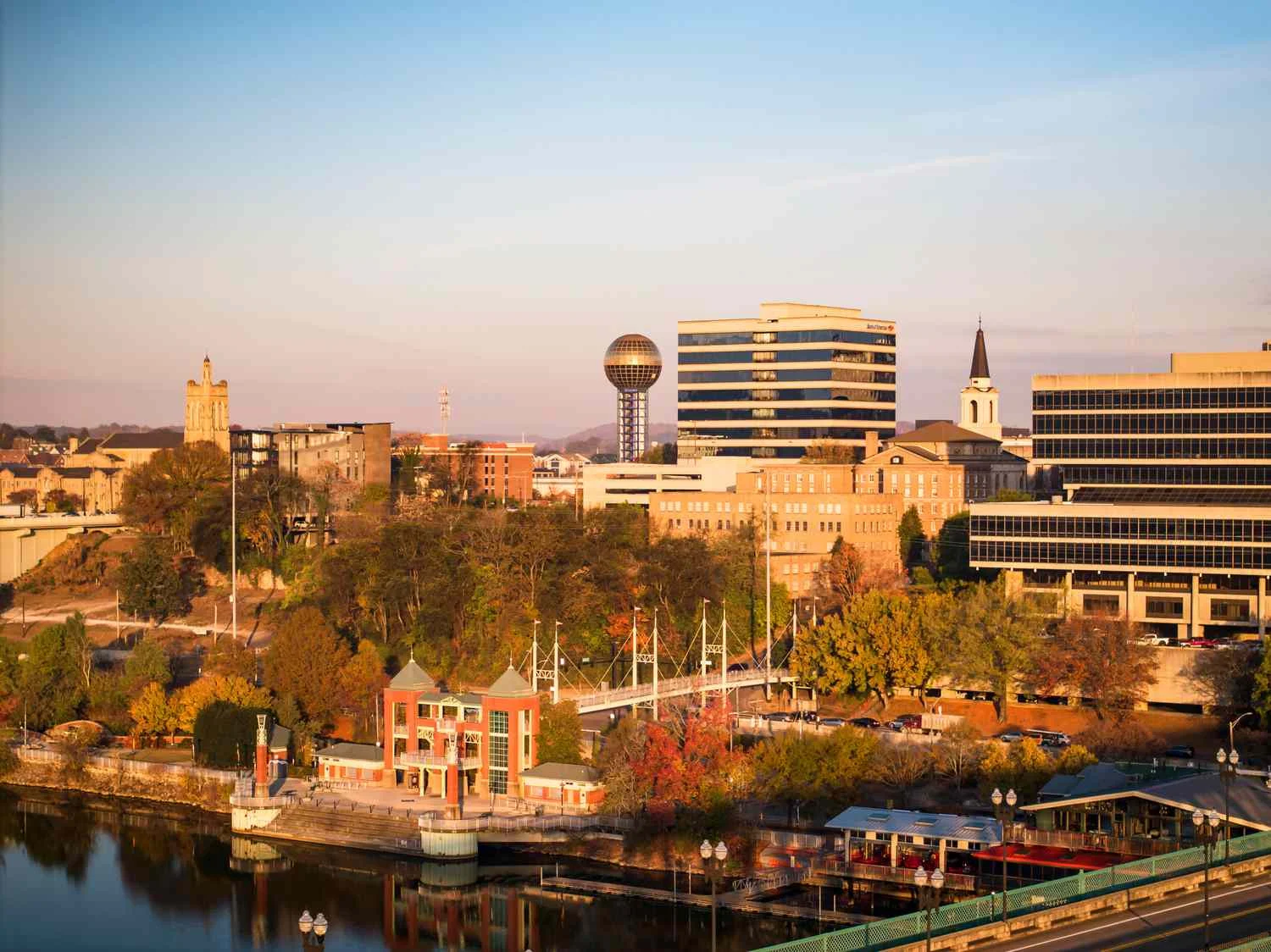
The University of Tennessee, Knoxville, the flagship campus of the UT System, manages one of the most physically complex university campuses in the American South, with more than 300 buildings spread across Hill, Agricultural, and medical district areas in an urban campus that has grown continuously since the university's 1794 founding. UT Knoxville's building inventory spans two centuries of construction technology, from nineteenth-century masonry academic halls on The Hill to contemporary LEED-certified research buildings in the South Campus Research Park area. As a Tennessee public institution, UTK operates under the Tennessee Board of Regents capital project framework, the Tennessee Department of Finance and Administration procurement rules, and the Central Procurement Office bidding requirements that govern every significant construction contract at a state university.
Semester scheduling at UT Knoxville is complicated by the university's enormous fall semester enrollment, which includes game-day events that can bring 100,000 visitors to the Neyland Stadium area. Construction access near the main campus is effectively impossible on home football game days, and the contractor's project schedule must identify and eliminate these dates as working days from the start of planning. Beyond football, UT's research enterprise is continuous, and many Science Hill buildings house laboratory programs with uninterrupted operation requirements. The facilities team consults with the Office of Research and Engagement before confirming access for any building with active research funding.
Tennessee procurement requirements for UT Knoxville capital projects include competitive bidding under the Tennessee Board of Regents procurement policies and the Tennessee Central Procurement Office oversight for projects above statutory thresholds. Tennessee's Construction Manager at-Risk and Design-Build procurement options are available for projects of appropriate scale. The Tennessee prevailing wage framework is less prescriptive than federal Davis-Bacon requirements, but contractors working on federally funded UTK buildings, including many in the research park area funded through DOE and NSF grants, must comply with Davis-Bacon wage rates for Tennessee.
Historic buildings at UT Knoxville include Ayres Hall, the Carnegie Hotel (now a university facility), Morrill Hall, and numerous other structures listed on or eligible for the National Register of Historic Places as part of the UT Knoxville Historic District. The Tennessee State Historic Preservation Office is involved in capital project review for buildings in the historic district, and roofing projects on contributing structures require SHPO consultation before construction begins. The contractor must have documented experience with historic roofing systems, including clay tile, slate, copper flashings, and built-up roofing on parapet-walled masonry buildings, to work on UT Knoxville's historic building inventory.
LEED and sustainability are central to UT Knoxville's capital project program. The university's Office of Sustainability has published a Sustainability Master Plan with targets for energy reduction, carbon neutrality, and green building performance. Major renovations at UTK are expected to achieve LEED certification, and the university has adopted the ENERGY STAR Buildings program for tracking energy performance across the campus portfolio. Roofing projects contribute directly to the energy goals of the Sustainability Master Plan through cool-roof reflectance improvements on older dark-membrane buildings, storm water management on an urban campus with combined sewer infrastructure, and material sustainability documentation that supports LEED and campus reporting requirements.
Complex procurement at UTK includes the UM Board of Trustees level review for major capital projects, the Tennessee Comptroller's Office audit requirements for state university expenditures, and the federal documentation requirements for buildings funded through research grants. The facilities office employs specialized project managers who navigate these overlapping requirements, and contractors who have prior UTK project experience bring an administrative efficiency advantage. Contractors new to UTK should invest in building relationships with the facilities project management team before pursuing competitive bids, because pre-qualification reputation is a meaningful factor in bid evaluation.
The Tennessee River and its associated riparian areas around UT's agricultural campus create specific storm water management requirements for the university's roofing systems. The campus is within the Tennessee River watershed, and the university's storm water management plan, required under its NPDES permit, includes performance targets for rooftop runoff that are incorporated into capital project requirements. Roofing systems that improve storm water management, through green roof assemblies, high-capacity drainage systems, or improved slope design, contribute to the university's NPDES compliance performance.
East Tennessee's climate creates a specific performance profile for UTK roofing systems. The Knoxville area receives significant precipitation throughout the year, experiences genuine winter freeze-thaw cycling, and has a long hot-humid summer that accelerates membrane aging. The combination of historic buildings with aged roofing assemblies and a climate that is genuinely demanding creates a backlog of deferred roofing maintenance that the UTK facilities team manages through a multi-year capital plan. Contractors who provide accurate condition assessments and realistic life expectancy projections are more valuable to the facilities team than those who minimize problems to win initial project scope.
UTK's commercial roofing program benefits from contractors with deep institutional knowledge, demonstrated Tennessee public works procurement experience, and the craft capability to handle the historic building portfolio alongside the modern research facility inventory. The most successful contractors in the UTK market maintain continuous engagement with the facilities team throughout the capital planning cycle, providing condition assessments and budget projections that help the facilities office sequence and fund the long-term roofing program.
What information should we send before a Built-Up Roofing roof walk?
Before a Built-Up Roofing roof walk, send the building location, roof age if known, roof access instructions, leak photos, tenant restrictions, and prior roof reports. Those details let us shape the inspection around the actual roof problem instead of arriving with a generic checklist.
Can Built-Up Roofing be handled while the building stays occupied?
For Built-Up Roofing, occupied-building work depends on access, odor, noise, staging room, weather exposure, and how much roof must be opened at one time. We phase the work around dry-in, tenant protection, loading paths, and the operating schedule below the roof.
How do we compare repair, coating, recover, and replacement for Built-Up Roofing?
For Built-Up Roofing, we compare moisture evidence, layer count, deck condition, drainage, age, storm exposure, roof traffic, and future use before naming a scope. That evidence is what separates a repair file from a restoration plan, a recover option, or a replacement budget.
Do you promise manufacturer certification or insurance approval for Built-Up Roofing?
For Built-Up Roofing, we do not invent credentials, promise claim outcomes, or write warranty language before the facts support it. We document conditions, identify manufacturer or carrier questions, and keep recommendations tied to reviewable roof evidence.
What makes Knoxville planning different for Built-Up Roofing?
Knoxville planning for Built-Up Roofing has to account for downtown access, UT and hospital-area traffic, Pellissippi and Oak Ridge industrial corridors, humid Tennessee Valley heat, severe thunderstorms, hail, freeze-thaw movement, leaf debris, and wind-driven rain.