Ask anyone who handles commercial property claims in East Tennessee what sinks a roof claim and the answer rarely involves the size of the hail. It involves the absence of a baseline. If the insurer cannot see what the membrane, seams, and flashings looked like before the storm, every crack and puncture becomes negotiable, and the negotiation favors whoever holds the evidence. A roof service agreement is how an owner holds the evidence.
What the roof file holds
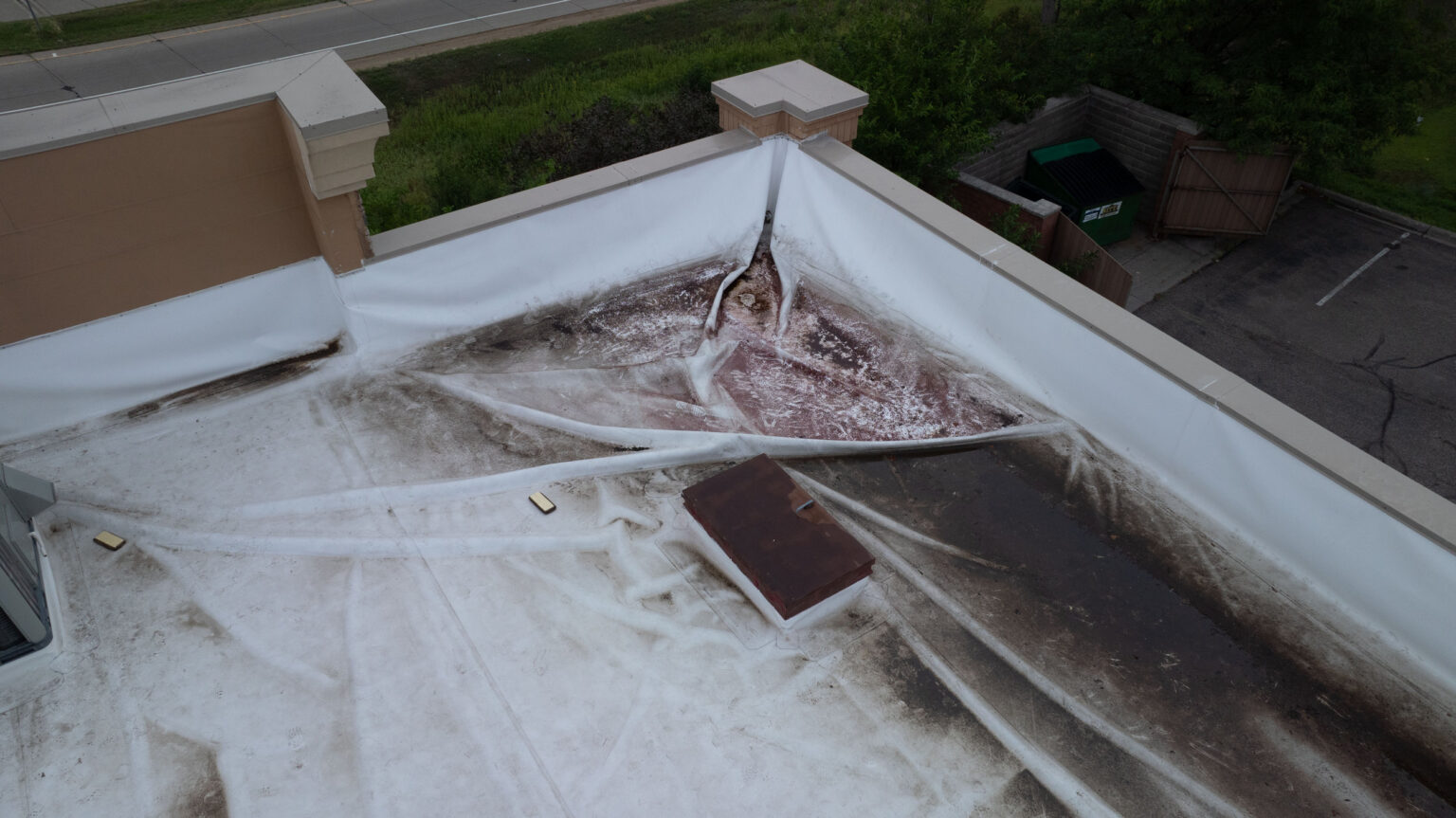
Each visit under the agreement adds a layer to the record: dated photo sets of the field membrane, perimeter details, penetrations, and drainage points; a written condition report noting anything that changed since the previous visit; and a log of the small repairs our crew completed on the spot. Over time the file becomes a chronological account of the roof's health that no after-the-fact inspection can reconstruct.
Two visits a year, scheduled around the weather that causes claims
The cadence is two scheduled rooftop visits per year. The spring visit lands ahead of the severe-thunderstorm months, when Knoxville sees most of its hail and gust-front wind: drains and scuppers cleared, seams probed, sealant touched up, loose edge metal fastened. The fall visit documents what the summer actually did, closes out the season's punch list, and refreshes the photo record before renewal conversations with your carrier.
When the claim actually happens
Because we already hold the before-photos, the after-storm inspection has a job it can actually do: isolate what changed. Our damage documentation separates storm impact from maintenance items so the claim scope is clean, and we will meet the adjuster on the roof with the full file in hand. Owners who have been through a contested claim once tend to describe this as the part of the agreement that pays for everything else.
Beyond the claim
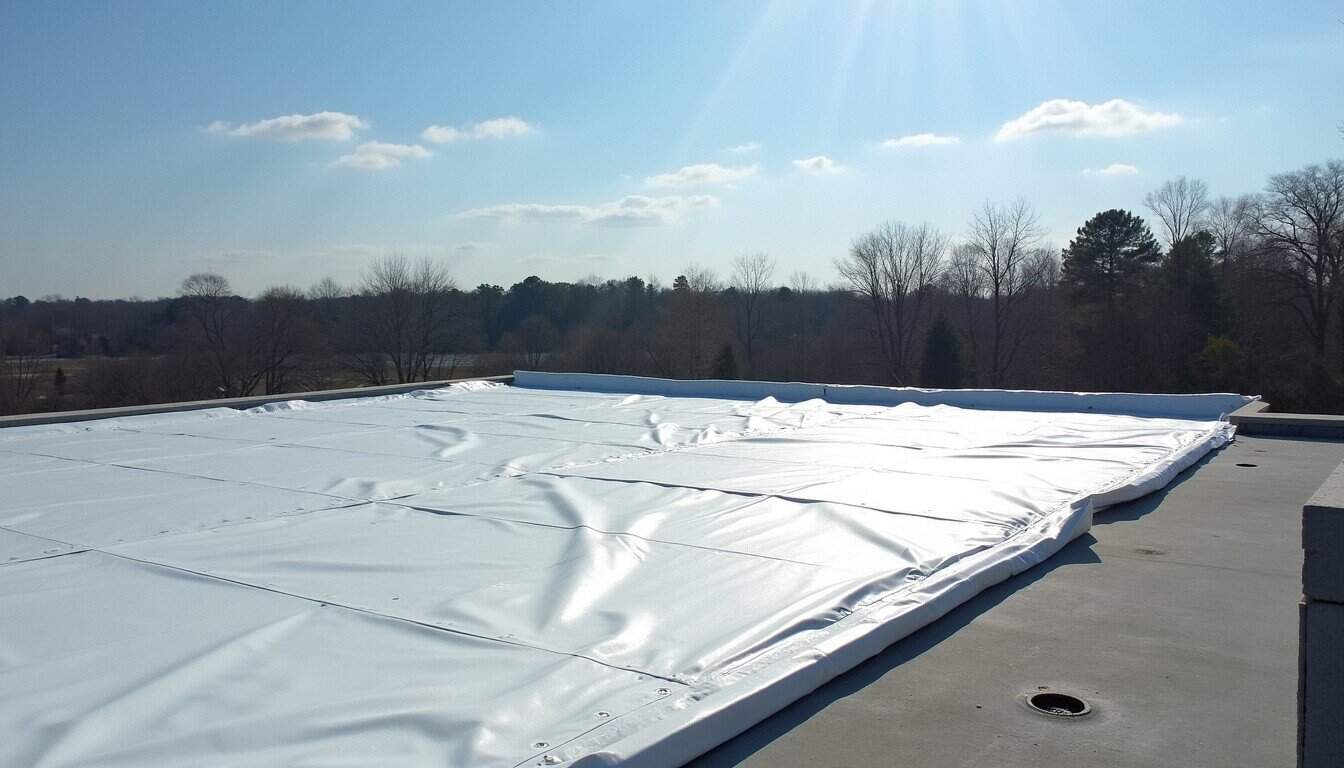
The same records satisfy manufacturer warranty requirements, most TPO, PVC, EPDM, and modified bitumen warranties expect documented periodic maintenance, and an empty file can void coverage exactly when you need it. Documented upkeep also strengthens your position at insurance renewal, where underwriters increasingly ask how a roof is being maintained before they price it. And agreement holders get priority scheduling when storm damage does hit, because a crew that knows your roof does not need a discovery visit first.
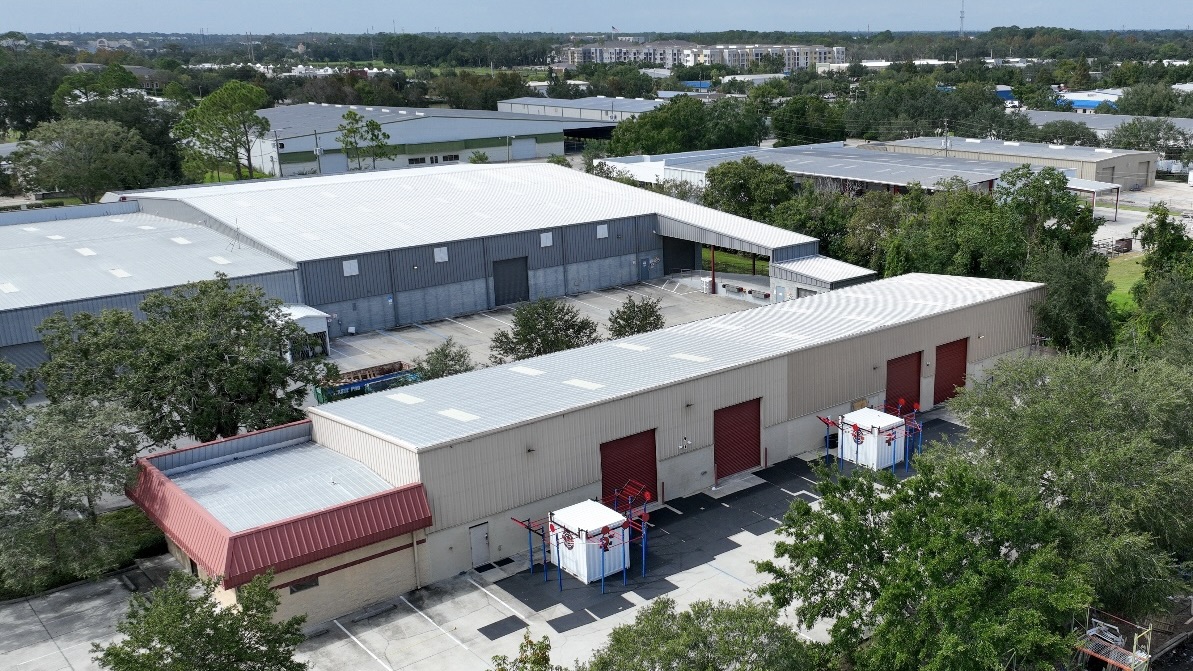
Whether you manage one building near downtown Knoxville or a portfolio spread from Oak Ridge to Maryville, the agreement scales: one schedule, one report format, one file per roof.