Commercial roofing for strip malls, shopping centers, anchor stores, and standalone retail buildings throughout Knoxville, TN.
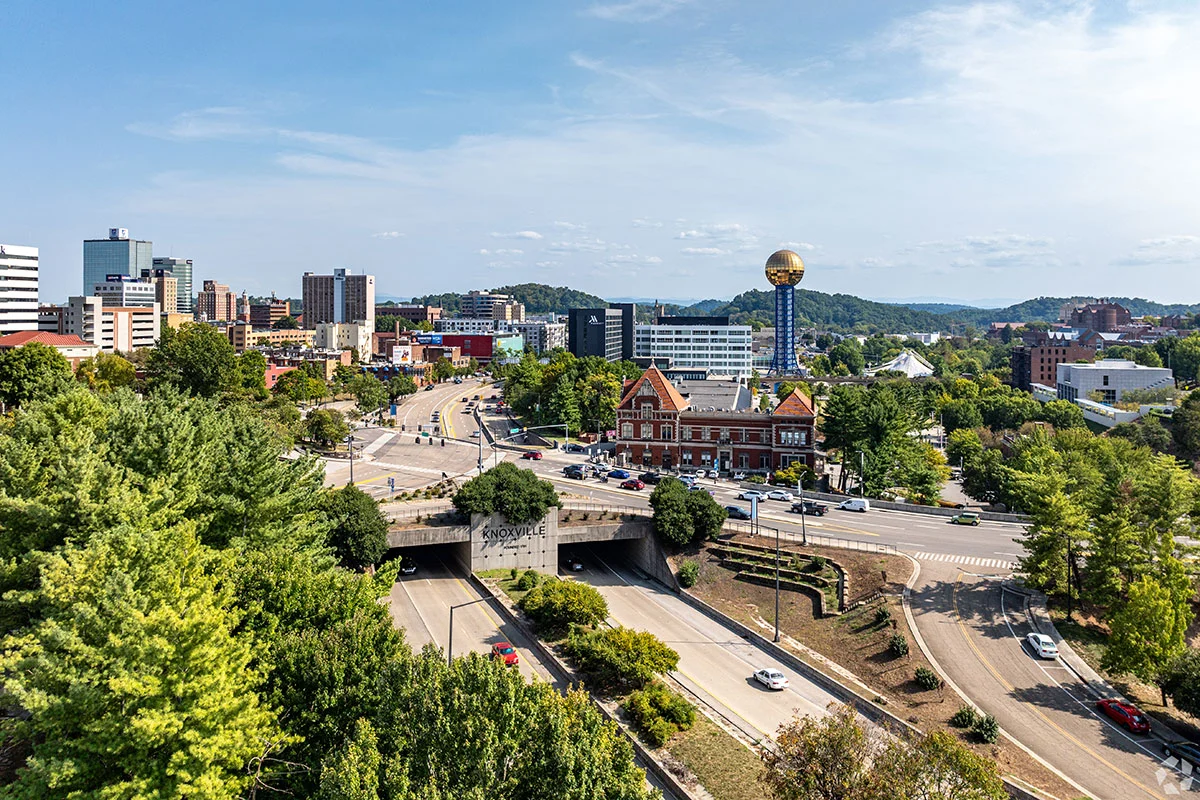
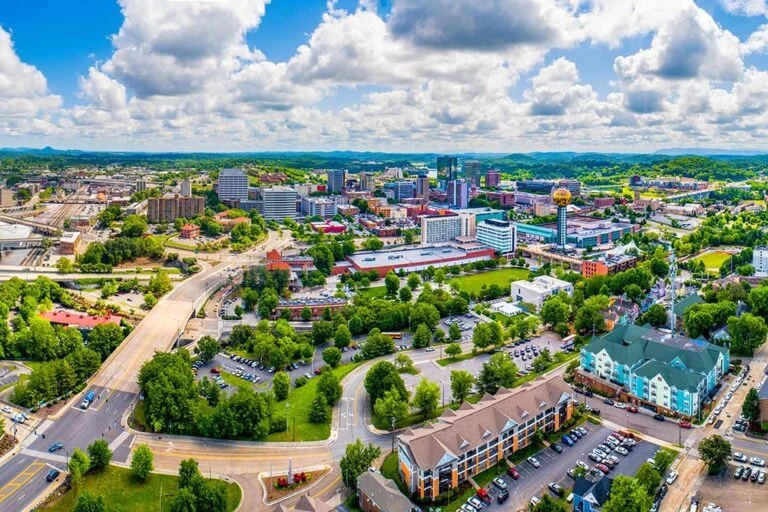
Knoxville's retail landscape occupies a distinctive geography shaped by the Tennessee River, the University of Tennessee campus, and the mountain terrain that frames the city to the east and south. The major retail corridors run along Kingston Pike from downtown through Bearden toward Farragut, with the Turkey Creek development in Farragut representing the westward retail expansion that drew major big-box and lifestyle retail anchors to the west Knox County market. The older Kingston Pike strip corridors between Central Avenue and Cedar Bluff carry a dense inventory of aging multi-tenant retail that has accumulated deferred roofing maintenance through multiple tenant transitions. The Knoxville market's climate, humid subtropical with genuine winters that include regular ice and occasional snow, means commercial roofs must perform across the full range of Southeast weather challenges rather than the simplified stress profile of purely warm-climate or purely cold-climate markets.
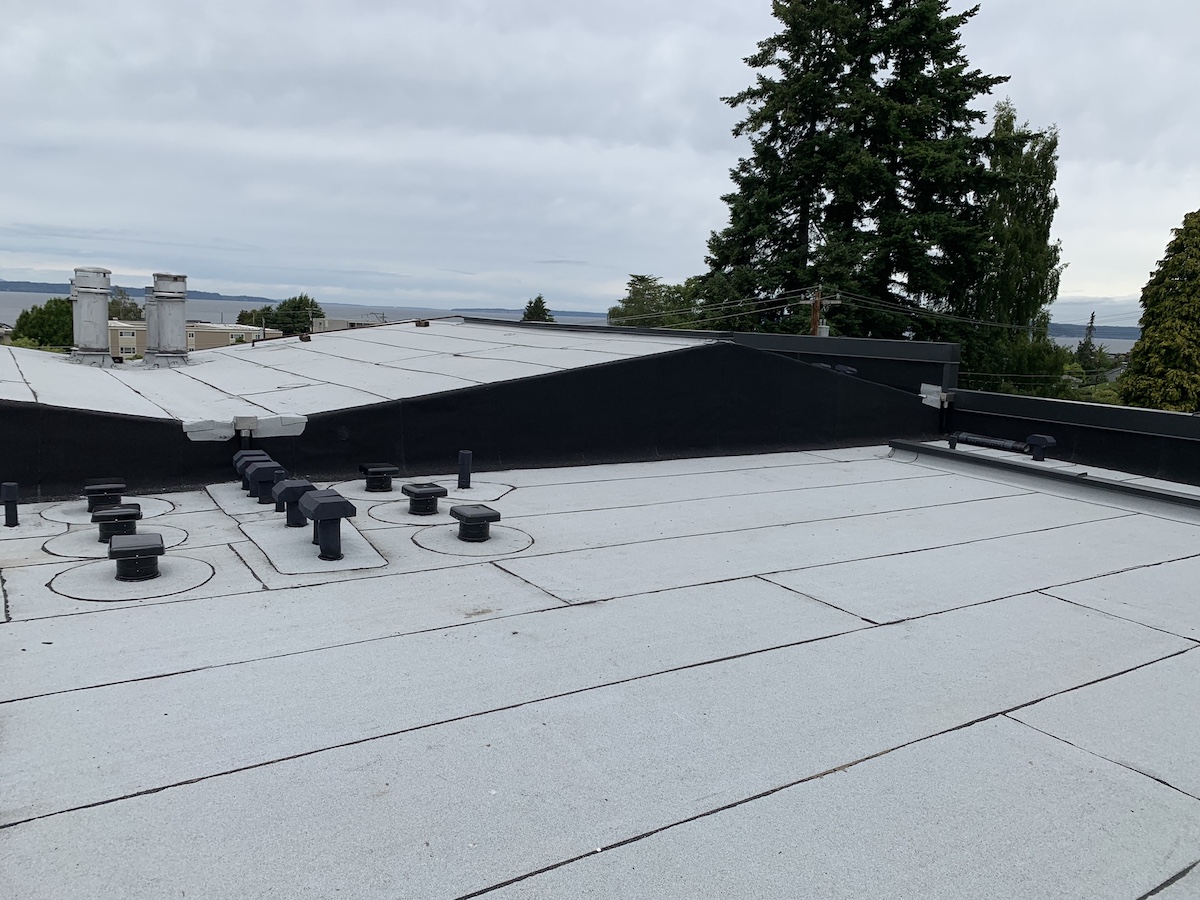
TPO membrane roofing has become the standard specification for Knoxville retail replacement projects, with 60-mil systems the professional baseline and 80-mil specified on higher-value properties or in areas where hail is a recurring concern. East Tennessee's position along the Appalachian foothills creates orographic weather effects that concentrate severe thunderstorm activity in ways that make hail frequency higher than regional averages might suggest. Strip centers along the Chapman Highway corridor and the Magnolia Avenue retail nodes have experienced recurring hail damage to older modified bitumen systems, and property managers who upgrade to thicker TPO during replacement are typically reducing their long-term insurance claim frequency. PVC systems remain the specification preference for any Knoxville retail pad where restaurant exhaust contamination is a concern.
Ice and winter weather represent a genuine operational challenge for Knoxville retail roofs in ways that markets further south do not experience. The Tennessee Valley Authority's service territory in East Tennessee is exposed to a specific winter weather pattern, ice storms that arrive ahead of precipitation, depositing ice on horizontal roof surfaces and accumulating at parapet walls and scuppers before the warming trend that follows. The weight of ice accumulation can challenge older deck structures, and the melt-and-refreeze cycle that follows an ice event creates pressure loading at parapet bases and scupper throats. Property managers at the older Kingston Pike strip centers between West Town Mall and the Cedar Bluff area should include ice event protocols in their winter maintenance procedures.
Turkey Creek's major retail campus in Farragut represents the institutional end of the Knoxville roofing market, with anchor tenants and big-box retailers whose lease provisions establish specific rooftop work standards. The property management teams operating these centers maintain detailed records of rooftop equipment inventories and require that any rooftop contractor access be scheduled through a formal work order system. This institutional discipline is in sharp contrast to the informal management practices common on older Kingston Pike strip centers, where tenant HVAC contractors have historically accessed rooftops without landlord coordination and created unauthorized penetrations that have not been properly flashed. The Turkey Creek model, formal rooftop access control and contractor pre-qualification, is increasingly the standard that sophisticated Knoxville retail investors are adopting for their older assets as part of a property repositioning strategy.
Retail tenant disruption management in Knoxville requires attention to the specific retail rhythm of a university town. The University of Tennessee campus proximity influences retail patterns across much of central Knoxville, with back-to-school shopping in August and the Tennessee football season from September through November creating peak traffic periods that overlap with the most favorable roofing construction weather. Coordinating major construction work around home football Saturdays, when commercial corridors throughout Knox County experience elevated traffic, is a practical necessity that Knoxville contractors handle as a standard element of retail project scheduling. The post-season lull from December through February, when retail traffic is lower outside the holiday peak, is often the best opportunity for significant roofing construction on busy Knoxville retail properties.
Energy efficiency improvements driven by roofing replacements are a genuine selling point in Knoxville's retail market, where the Tennessee Valley Authority's commercial customer base has historically been engaged with energy management programs. TVA's commercial efficiency programs, while subject to periodic restructuring, have provided Knoxville retail property owners with incentives for cool roof installations that contribute to the payback calculation on TPO replacement projects. A white TPO membrane on a Kingston Pike strip center reduces the cooling energy consumed by tenant spaces throughout the East Tennessee summer, and the measurable energy cost reduction is a tangible benefit that landlords can document and present to tenants as evidence of their investment in building quality.
The older retail inventory along Chapman Highway, Magnolia Avenue, and the Fountain City corridor represents Knoxville's working-class and transitional retail market, where property values and rental rates are lower than the Farragut premium end of the market. These properties often carry the original roofing systems from their construction in the 1970s and 1980s, with multiple layers of accumulated overlay roofing that have never been properly assessed. When these buildings reach the point of failure, typically when active leaks begin affecting multiple tenants simultaneously, the remediation cost often exceeds what the property owner had reserved. A professional condition assessment on these properties, even if the immediate conclusion is that maintenance can extend life another few years, provides the information needed to plan the capital expenditure before it becomes a crisis.
Commercial property investors who are acquiring older Knoxville retail assets, particularly along the Kingston Pike corridor where redevelopment pressure is changing property values in some segments, should treat a pre-acquisition roofing assessment as a non-negotiable due diligence step. The combination of East Tennessee's weather history on these buildings, the multiple-layer accumulation typical of assets with deferred capital, and the structural questions that multiple overlays raise requires a professional assessment before any acquisition price is finalized. The cost of a thorough rooftop assessment, core sampling, moisture survey, structural review, is modest relative to the capital planning benefit it provides when factored into purchase negotiations.
Selecting a commercial roofing contractor for Knoxville retail work means evaluating experience with the specific weather conditions of East Tennessee, ice events, hail, and the orographic precipitation patterns that make weather in the mountains different from the broader region, as well as the retail project management skills that occupied construction requires. Contractor references from other Knoxville retail property managers carry more weight than generic commercial references, because the conditions in the Knoxville valley are specific enough that experience elsewhere in Tennessee does not fully transfer. The long-term relationship value of a contractor who understands Knoxville's retail market and maintains that knowledge across multiple projects on your portfolio is worth the investment in finding the right partner.
What information should we send before a Built-Up Roofing roof walk?
Before a Built-Up Roofing roof walk, send the building location, roof age if known, roof access instructions, leak photos, tenant restrictions, and prior roof reports. Those details let us shape the inspection around the actual roof problem instead of arriving with a generic checklist.
Can Built-Up Roofing be handled while the building stays occupied?
For Built-Up Roofing, occupied-building work depends on access, odor, noise, staging room, weather exposure, and how much roof must be opened at one time. We phase the work around dry-in, tenant protection, loading paths, and the operating schedule below the roof.
How do we compare repair, coating, recover, and replacement for Built-Up Roofing?
For Built-Up Roofing, we compare moisture evidence, layer count, deck condition, drainage, age, storm exposure, roof traffic, and future use before naming a scope. That evidence is what separates a repair file from a restoration plan, a recover option, or a replacement budget.
Do you promise manufacturer certification or insurance approval for Built-Up Roofing?
For Built-Up Roofing, we do not invent credentials, promise claim outcomes, or write warranty language before the facts support it. We document conditions, identify manufacturer or carrier questions, and keep recommendations tied to reviewable roof evidence.
What makes Knoxville planning different for Built-Up Roofing?
Knoxville planning for Built-Up Roofing has to account for downtown access, UT and hospital-area traffic, Pellissippi and Oak Ridge industrial corridors, humid Tennessee Valley heat, severe thunderstorms, hail, freeze-thaw movement, leaf debris, and wind-driven rain.