Commercial roofing for Class A, B, and C office buildings, suburban office parks, and downtown towers throughout Knoxville, TN.
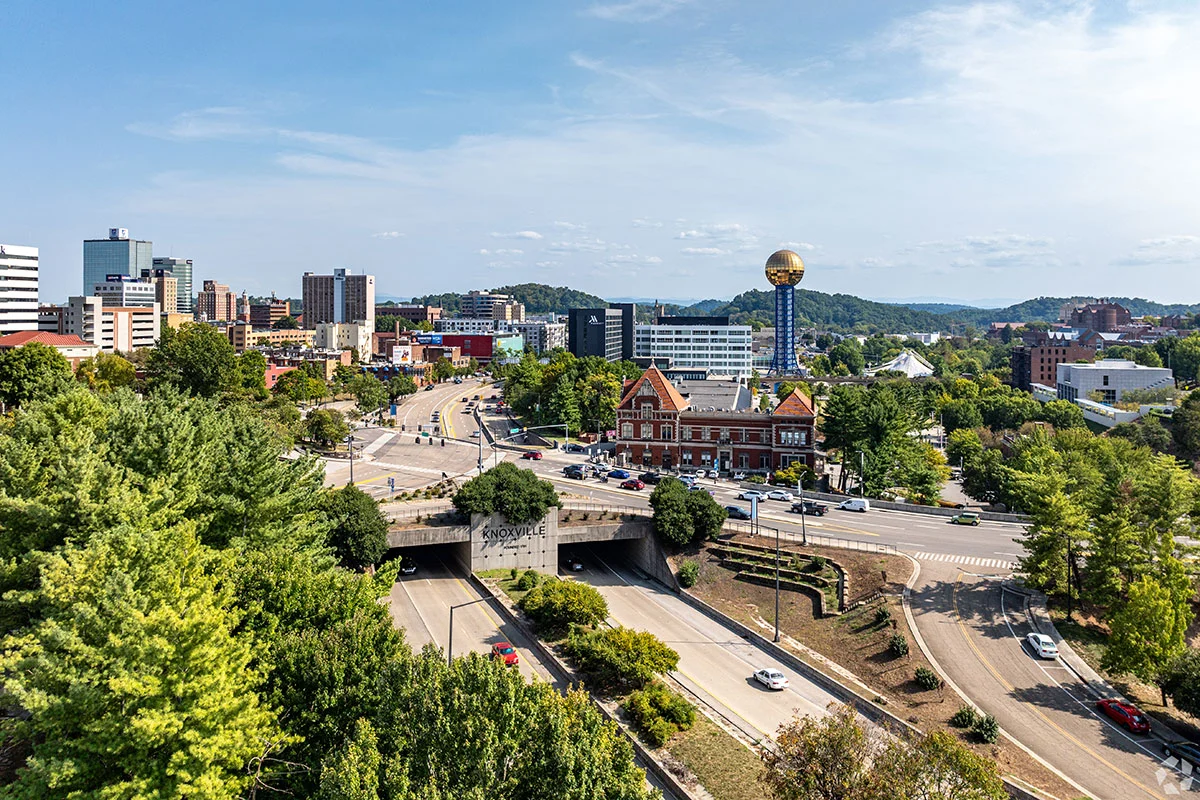
Tennessee Valley Authority's Knoxville headquarters complex, spread across multiple buildings in the downtown Knoxville and Centennial Boulevard corridor, represents the city's most prominent Class A office campus and the largest publicly managed office real estate portfolio in East Tennessee. The broader Knoxville office market serves the federal government, university-affiliated research, healthcare, and professional services sectors that anchor the city's economy, and TVA's operational standards for building management set a benchmark that private Class A landlords in the market aspire to match. Commercial roofing on occupied Knoxville office buildings must navigate the Tennessee Valley's distinctive climate, characterized by above-average rainfall, moderate summer heat, and occasional winter ice events, with the operational sensitivity appropriate for professional office environments.
Occupied-building protocols for Knoxville office re-roofing reflect the Tennessee Valley's climate and the scheduling opportunities created by the University of Tennessee academic calendar, which reduces downtown office activity during summer. Many Knoxville Class A building owners deliberately schedule major re-roofing work during June and July when tenant traffic is lowest, allowing contractors more flexibility in managing access, noise, and odor restrictions than the compressed schedules imposed by full-occupancy office buildings. This seasonal scheduling advantage makes Knoxville's summer, while hot, a preferred window for intensive occupied building roofing work in a way that is not available in comparably sized markets without large university populations.
Green roof opportunities in Knoxville are distinctive because of the city's proximity to the Great Smoky Mountains National Park and the outdoor recreation culture that permeates the local business community. Several Knoxville Class A buildings have installed native Appalachian plant species on green roof sections, drawing on the region's exceptional plant diversity to create rooftop environments that resonate with both the local sustainability culture and the outdoor-recreation-oriented corporate tenants that represent a growing segment of Knoxville's office market. These green roof installations require species selection appropriate for East Tennessee's climate, including cold tolerance for the valley's occasional severe winter events.
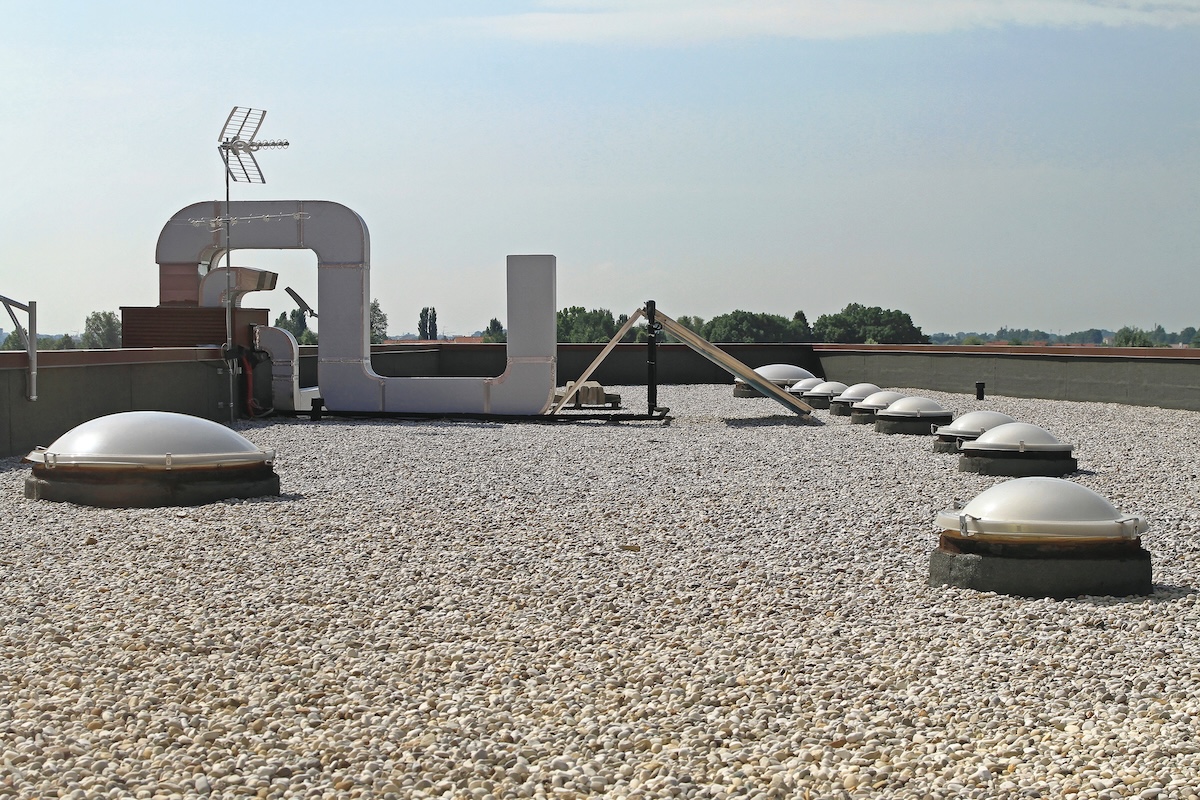
Multi-RTU coordination on Knoxville office buildings must account for the Tennessee Valley's humidity, which creates year-round demand for dehumidification even when heating or cooling loads are moderate. RTU sequencing plans for Knoxville Class A buildings should specifically address humidity management during unit isolation phases in the humid summer months, as spaces without active dehumidification in East Tennessee summers can develop elevated humidity conditions within hours that create comfort complaints and, in extreme cases, condensation on interior surfaces. Temporary dehumidification equipment may be needed for spaces where the primary RTU provides significant latent cooling capacity.
Tennessee energy code compliance for Knoxville office re-roofing applies Climate Zone 4A requirements from the state's ASHRAE 90.1-aligned energy code when more than 50% of a roof surface is replaced. Minimum insulation R-values and cool-roof provisions apply to replacement roofing projects, and high-reflectance TPO or modified bitumen with aluminum coating meets the reflectance thresholds. TVA's own facilities management standards for their Knoxville buildings exceed state code minimums, reflecting the authority's institutional commitment to energy efficiency in a market where energy costs are managed with exceptional rigor.
Reflective membrane performance in Knoxville's mixed climate delivers net positive lifecycle energy economics. The summer cooling benefits from high-reflectance membranes outweigh the modest heating penalty during Knoxville's winters, which are warmer than other Climate Zone 4A markets due to the valley's sheltered topographic position. Energy modeling for Knoxville office buildings consistently shows that high-reflectance TPO with R-20 or better continuous insulation provides both code compliance and measurable energy cost improvements for building owners and tenants.
Lease renewal protection in Knoxville's Class A office market involves maintaining the building quality standards expected by TVA, the University of Tennessee's research enterprise, and the healthcare administrative operations that occupy significant Class A space in the market. These institutional tenants apply systematic facilities evaluation processes at lease renewal that include documented maintenance history and building envelope condition assessment. A current, warranted roof system with a clean maintenance record is a positive finding in these evaluations, while deferred maintenance or an expired warranty coverage period creates negotiating leverage for tenants seeking rent concessions.
Tennessee contractor licensing requires registration with the Tennessee Board for Licensing Contractors for commercial roofing work. Knox County requires building permits for commercial roofing projects, and compliance with county inspection requirements is a prerequisite for project completion certificates. TVA's contractor qualification requirements for buildings where they are tenants go beyond state licensing, including safety program documentation, financial stability assessment, and insurance minimums that reflect TVA's federal procurement standards.
Knoxville's office market benefits from the stabilizing influence of TVA and UT as anchor tenants, but private Class A building owners compete actively for the professional services and healthcare administration tenants that round out the market. Re-roofing projects that can be documented as sustainability improvements, energy savings quantification, green building credential contribution, stormwater management improvement, support marketing narratives that differentiate assets in a market where tenant sophistication is elevated by the presence of federal and research institution anchor occupants who set high building quality expectations.
What information should we send before a Built-Up Roofing roof walk?
Before a Built-Up Roofing roof walk, send the building location, roof age if known, roof access instructions, leak photos, tenant restrictions, and prior roof reports. Those details let us shape the inspection around the actual roof problem instead of arriving with a generic checklist.
Can Built-Up Roofing be handled while the building stays occupied?
For Built-Up Roofing, occupied-building work depends on access, odor, noise, staging room, weather exposure, and how much roof must be opened at one time. We phase the work around dry-in, tenant protection, loading paths, and the operating schedule below the roof.
How do we compare repair, coating, recover, and replacement for Built-Up Roofing?
For Built-Up Roofing, we compare moisture evidence, layer count, deck condition, drainage, age, storm exposure, roof traffic, and future use before naming a scope. That evidence is what separates a repair file from a restoration plan, a recover option, or a replacement budget.
Do you promise manufacturer certification or insurance approval for Built-Up Roofing?
For Built-Up Roofing, we do not invent credentials, promise claim outcomes, or write warranty language before the facts support it. We document conditions, identify manufacturer or carrier questions, and keep recommendations tied to reviewable roof evidence.
What makes Knoxville planning different for Built-Up Roofing?
Knoxville planning for Built-Up Roofing has to account for downtown access, UT and hospital-area traffic, Pellissippi and Oak Ridge industrial corridors, humid Tennessee Valley heat, severe thunderstorms, hail, freeze-thaw movement, leaf debris, and wind-driven rain.