One roof, many tenants, and a different use every lease cycle
Flex space is the chameleon of the commercial inventory. One bay holds a light-manufacturing shop, the next a distribution operation, the one beside it a contractor's warehouse with a small showroom, and across a single building those uses turn over every few years as leases roll. The roof has to perform across all of it, through tenant build-outs, equipment swaps, and the full spread of mechanical loads that flex occupancy throws at it. We roof these buildings knowing the use under any given bay today may not be the use under it next year, and the assembly has to outlast the churn.
Knoxville has a deep flex inventory because of how its logistics geography sits. The Lovell Road and Hardin Valley business parks near the I-40/I-75 interchange, the Pellissippi Parkway corridor, the Forks of the River Industrial Park in South Knoxville, and the older light-industrial belt along Merchant Drive and Clinton Highway all carry multi-tenant flex product. Some of it is 1970s tilt-wall with aging built-up roofs, some is modern pre-engineered metal, and the right reroof approach depends entirely on which you have.
The penetration problem nobody documented
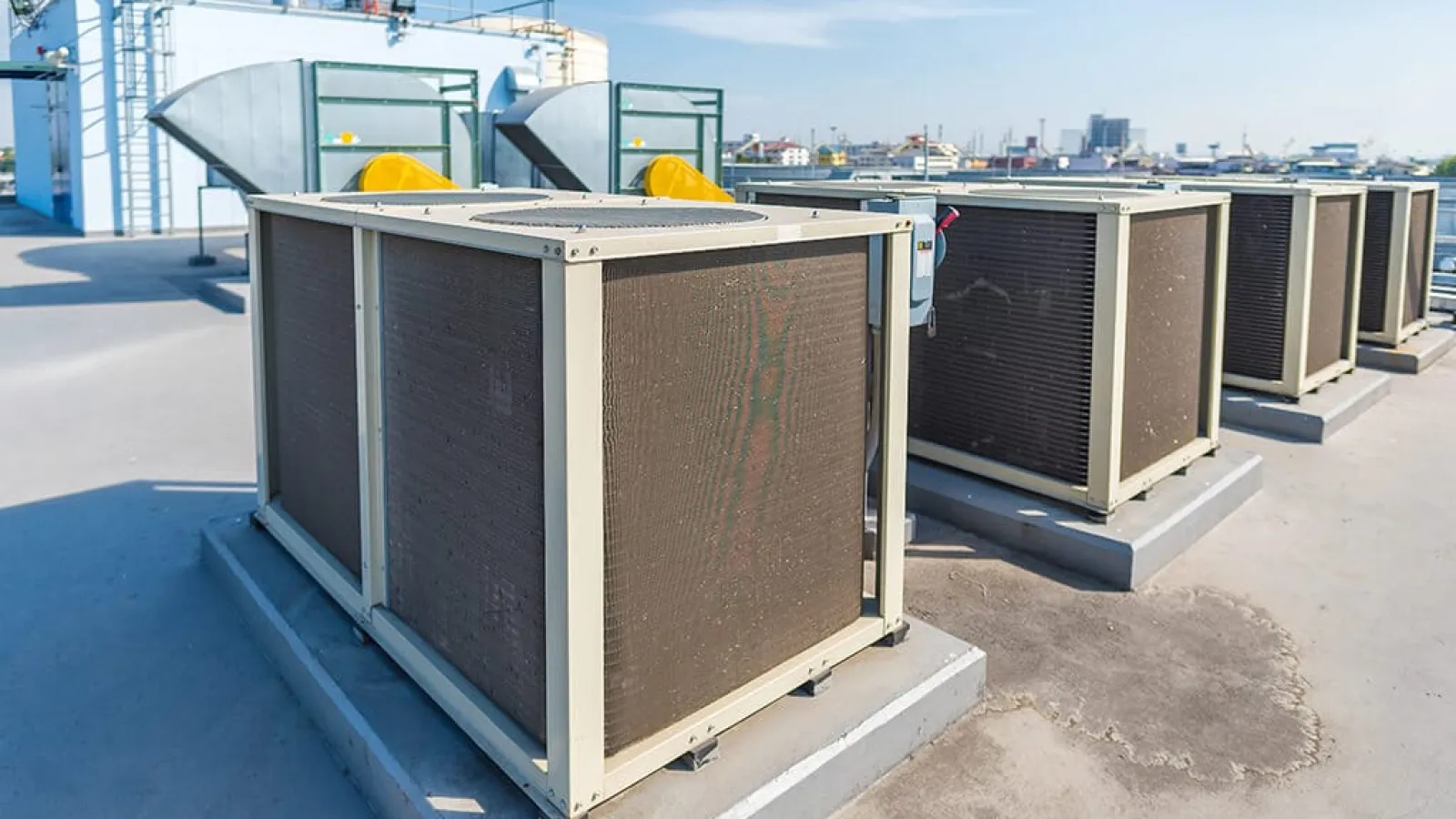
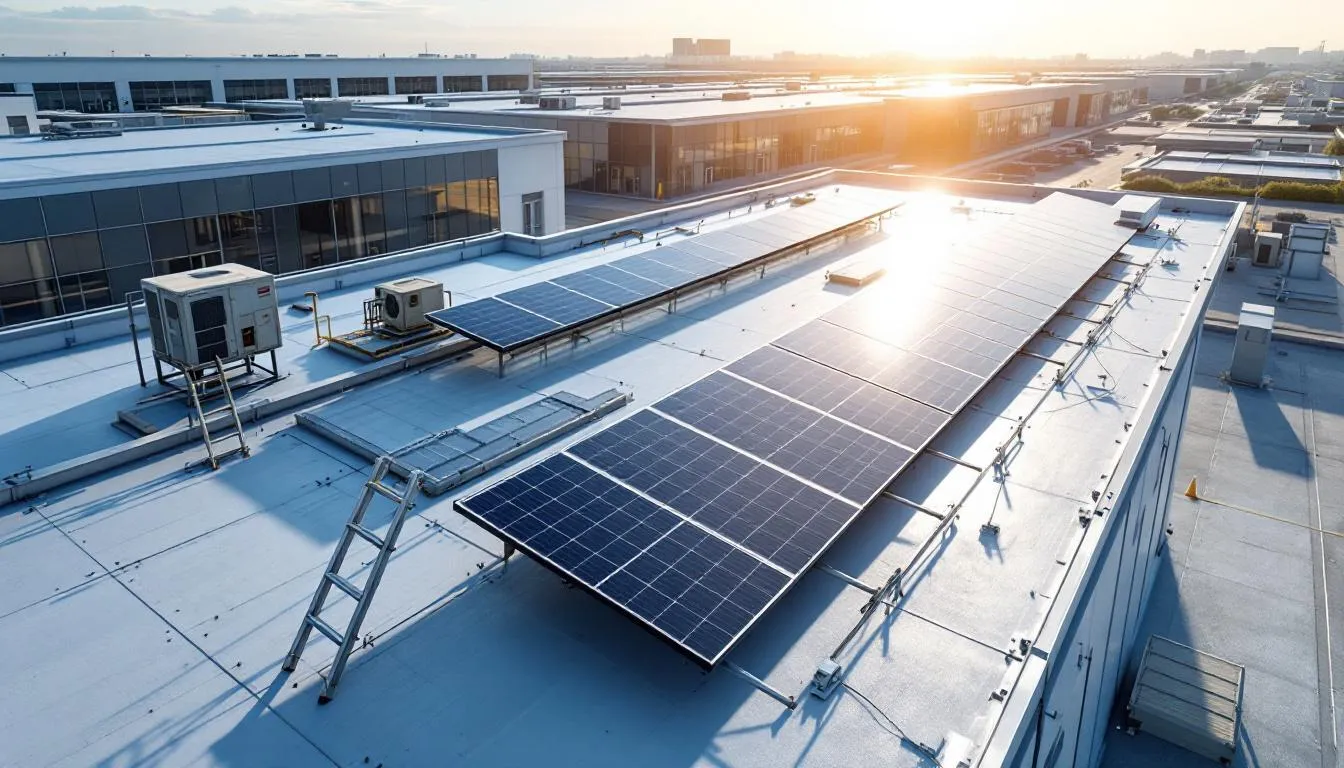
The defining hazard of a flex roof is everything that got added to it over the years. Multi-tenant buildings accumulate rooftop changes that single-user industrial buildings never see: a tenant adds an HVAC unit for a new office build-out, another runs fresh electrical or refrigerant lines through the membrane, a third drops in rooftop equipment that was never in the original loading plan. Most of it goes undocumented in the property records. That is why every flex scope we run in Knoxville opens with a penetration inventory survey, photographing and mapping every curb, pipe, and conduit and comparing it against the original drawings where they exist. We find the abandoned penetrations and the improvised seals before new membrane goes down, not after a warranty claim.
Because each tenant brings its own mechanical, a flex roof carries a patchwork of loads and a lot of foot traffic from different service contractors walking it for different units. That informs the membrane choice and where we place walkway protection. On a building where several tenants' HVAC techs are up there routinely, the cheapest sheet is rarely the right one.
Deck type drives the whole specification
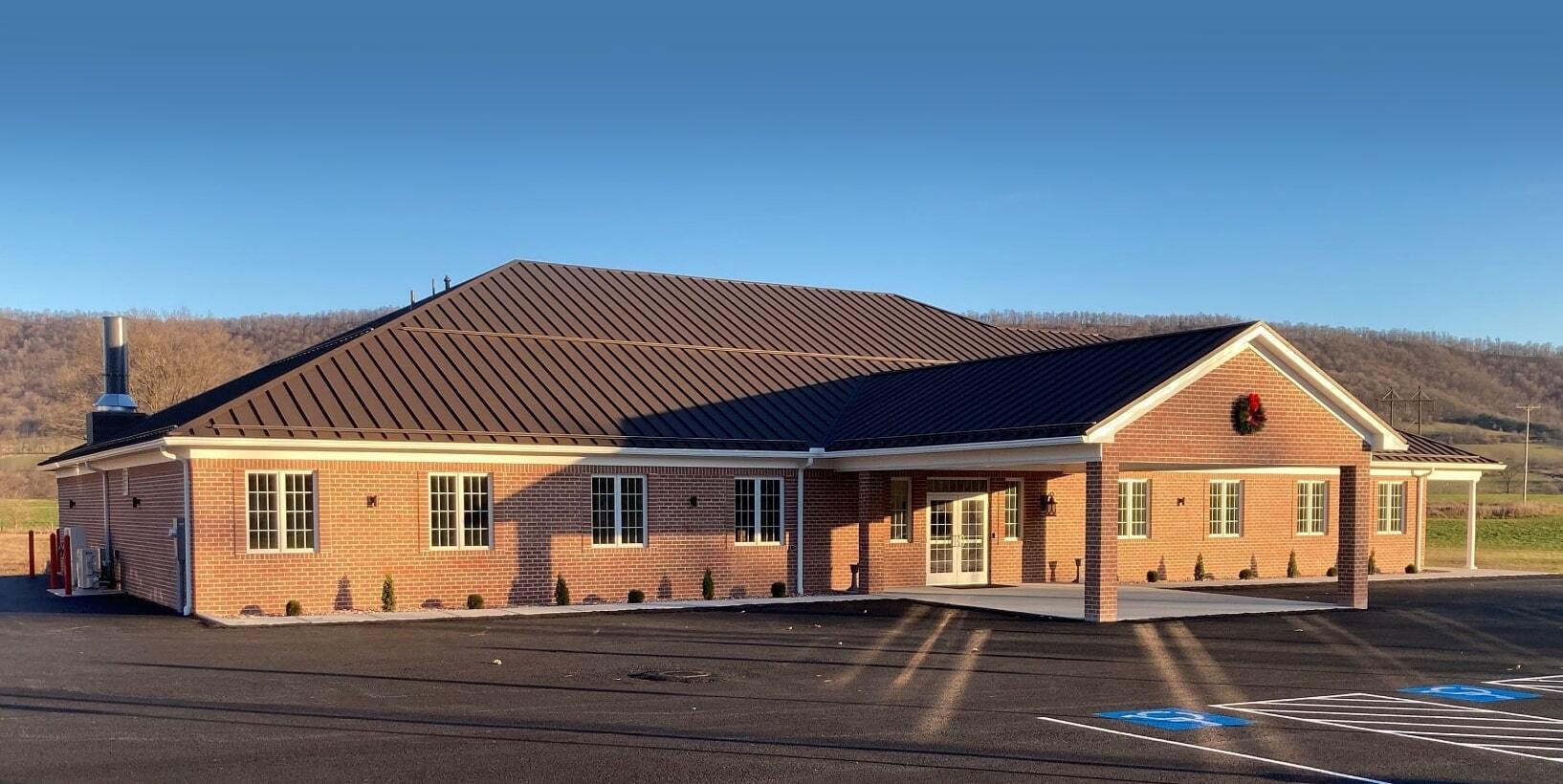
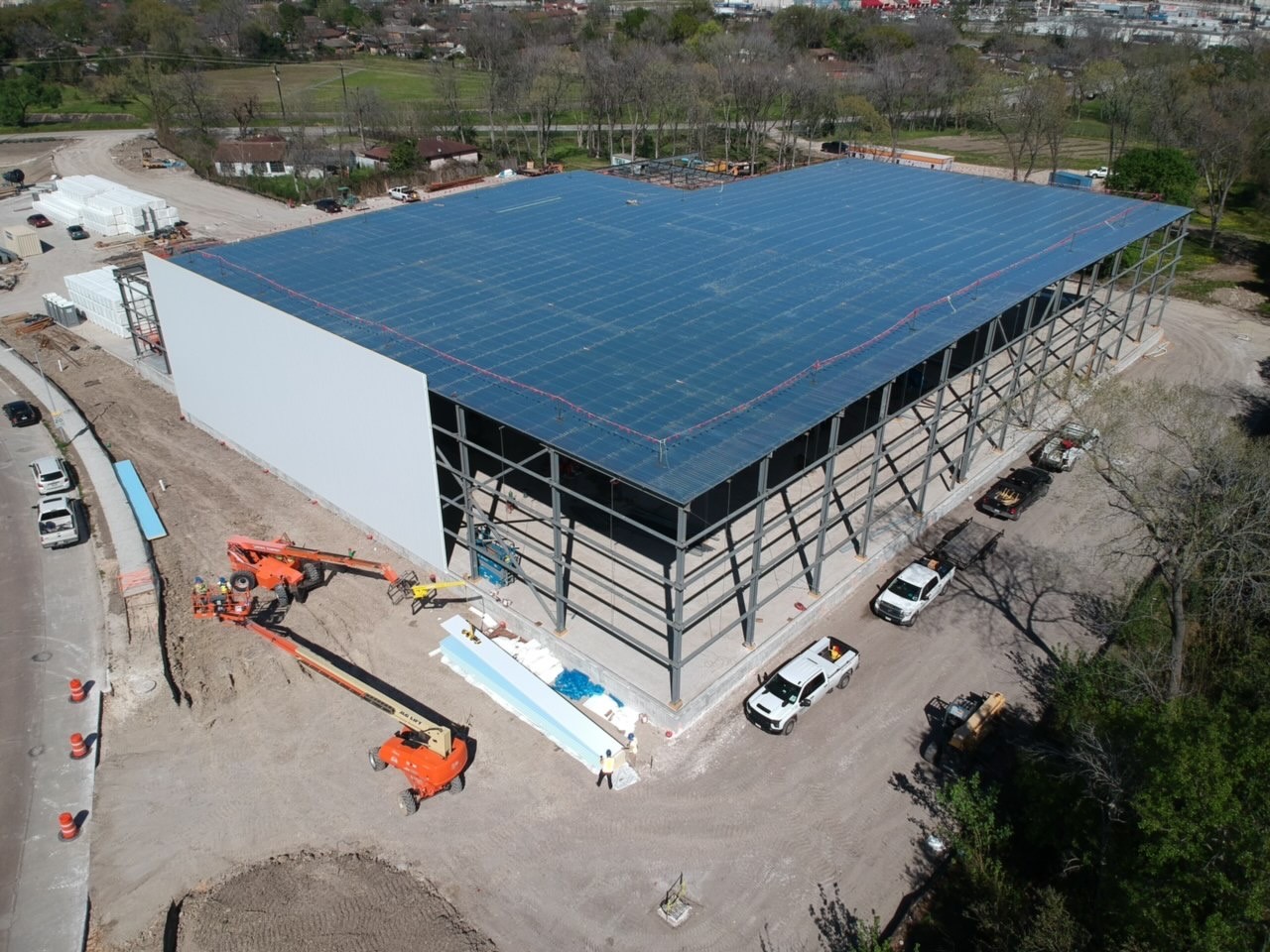
Knoxville flex buildings split roughly into two families. The older tilt-wall and concrete-frame product usually wants 60-mil TPO mechanically attached over new polyiso, a proven and cost-effective system for that construction. The pre-engineered metal buildings off Lovell Road and through the newer parks are a different decision: depending on panel condition, purlin spacing, and load capacity, a standing-seam recover or a silicone-coated metal restoration can extend service life for years without a full tear-off. We core where we need to, confirm the deck and existing assembly, and recommend recover versus replacement on the evidence rather than a default.
Warranty coordination across a changing roster
Warranty coordination is its own discipline on a multi-tenant roof, because future tenant build-outs will want to penetrate the membrane after we are gone. We document the system, register the warranty properly, and lay out for property management how to keep that warranty intact when the next tenant's contractor needs a new curb, so a routine build-out does not quietly void coverage on the whole roof.
Vacancy transitions are where flex roofs leak
The riskiest moment in a flex building's life is a bay turning over. When a tenant leaves and their rooftop unit comes off, the open curb often gets a temporary cap that fails within a rain event or two, and a vacant bay collects debris in its drains far faster than an occupied one does. For any Knoxville flex property in lease transition, our inspection confirms curb-cap status, verifies that former-tenant penetrations are sealed for the long term, and checks that the drains are clear. For investors and property managers running multiple properties, we deliver standardized condition reports that feed straight into capital planning across the portfolio.
Coordinating work over occupied bays
Multi-tenant work starts with a bay-by-bay occupancy map and a lease-contact list from property management. We identify which tenants have active rooftop equipment, which bays sit empty, and which tenants are sensitive to noise or HVAC downtime, then sequence the work and the daily dry-in around that. Tenants get advance notice, but they communicate through the property manager rather than directly with the crew, which keeps the schedule clean and the site controlled.
Industrial Flex Space Roofing Questions
We open every flex project with a survey that photographs and maps each roof penetration, compares it to the original drawings where they exist, and flags any non-standard or poorly sealed penetration that needs remediation before new membrane goes on. That is how we keep undocumented tenant modifications from turning into warranty disputes later.
For tilt-wall and concrete flex buildings here, 60-mil TPO mechanically attached over tapered polyiso is the common, cost-effective choice. On buildings with heavy rooftop equipment density or a lot of service-contractor foot traffic from multiple tenants, stepping up to 80-mil TPO or 60-mil PVC fully adhered is worth it for the added puncture and traffic resistance.
It starts with a bay-by-bay occupancy map and lease-contact list from property management. We identify active rooftop equipment, vacant bays, and tenants sensitive to noise or downtime, then sequence the work and daily dry-in around them. Tenants get advance notice but communicate through the property manager, not directly with the crew.
Per roof square, based on membrane spec, the condition of the existing assembly, penetration density, and bay configuration, with a fixed-price proposal after a roof walk and a core sample where needed. Portfolio owners get standardized condition reports they can use for capital planning across multiple flex properties.
Yes. Pre-engineered metal buildings need a different approach than flat membrane roofs. We evaluate metal recover systems, including silicone-coated metal and retrofit standing seam, against a full tear-off based on current panel condition, purlin spacing, and load capacity, and we spec and install both approaches in Knoxville.