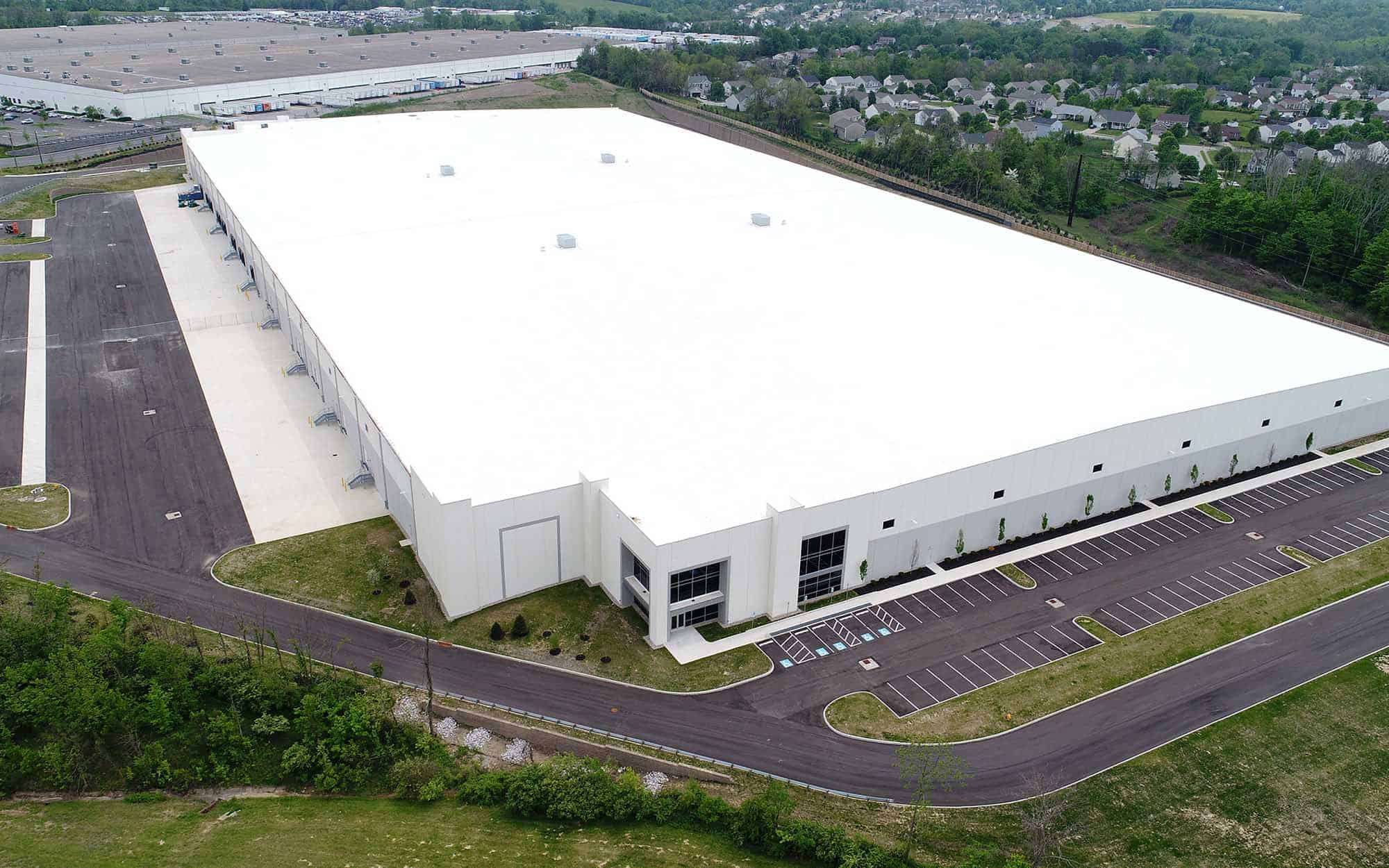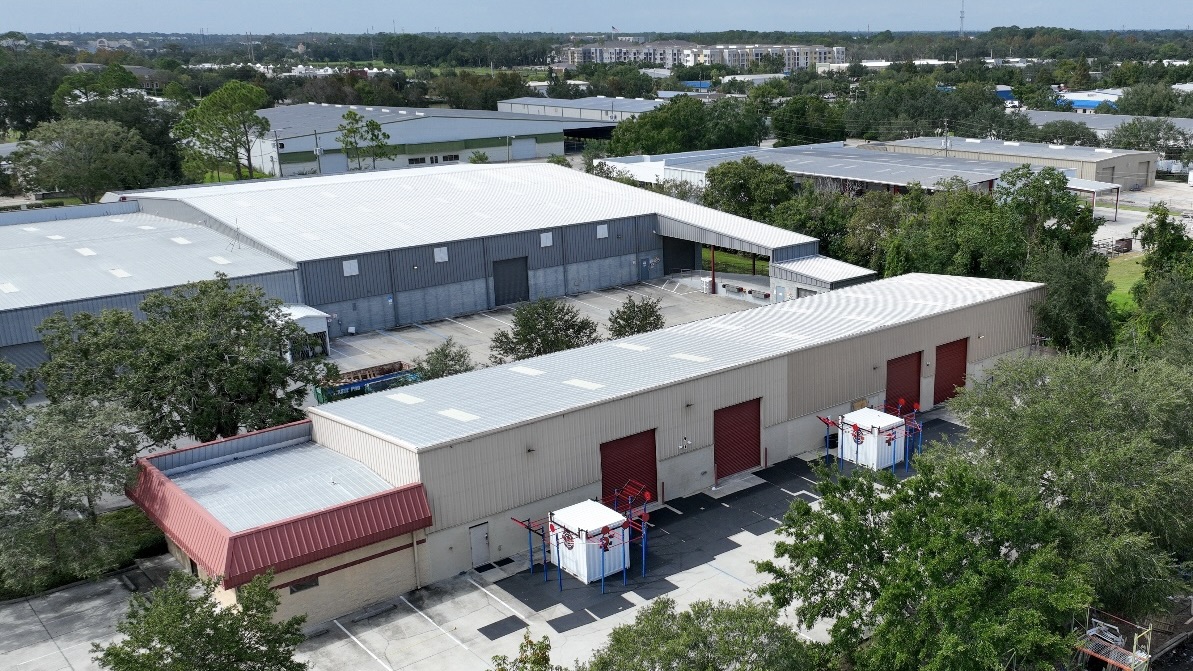
Long open spans, dense rooftop HVAC, and humidity that attacks the deck from below, gym roofing in Knoxville is its own discipline.
From the national-brand clubs lining the Turkey Creek retail district out toward Farragut, to the independent box gyms tucked into West Knoxville strip centers along Kingston Pike, to the studios that have moved into renovated warehouse space in the Old City, Knoxville's fitness market keeps growing. What these buildings share is a roof that has to do two hard things at once: cover a wide column-free floor and survive a moisture and equipment load that an ordinary retail box never sees. Treating a gym like a generic flat-roof tenant space is how owners end up with condensation problems and a field full of leaking penetrations.
The training floor wants a long clear span so members are not weaving around columns, which puts real deflection and uplift demand on the deck. Above that floor sits an unusually dense array of rooftop equipment. We design the roof for both realities up front rather than discovering them after the membrane is down.
Humidity Drives the Whole Specification
Showers, steam rooms, hot tubs, and indoor pools generate interior humidity that pushes water vapor up into the roof assembly from inside the building, no matter how tight the membrane is on top. In Knoxville's humid East Tennessee climate that vapor drive is relentless, and if the vapor retarder is missing or positioned wrong for our climate zone, that moisture condenses inside the insulation and quietly destroys its R-value over a few seasons. A correct gym roofing specification treats vapor control as a core design decision in the insulation and air-barrier assembly, not a detail to sort out later.
Why the Penetration Count Is So High
Walk a gym roof and the first thing you notice is how crowded it is. A wide-open training floor packed with members needs high-volume air handling to manage the carbon dioxide and moisture that a hundred people working out throw off. Group-exercise rooms, locker rooms, and any pool enclosure each carry their own dedicated ventilation with rooftop supply and exhaust. The result is two to three times the penetration count per thousand square feet of a comparable retail or office roof. Every one of those curbs and pipes is a potential leak path, and the humid conditions below mean a standard flashing detail is not good enough.
We document every curb, its height, and its clearance before the job is priced. Undersized curbs are a chronic defect on older gym buildings, and they have to be raised or rebuilt so the new membrane meets the manufacturer's minimum flashing height for warranty. We treat HVAC curb work as part of the roofing scope, not as a change order discovered halfway through.
Working Around a Schedule That Never Stops
Plenty of Knoxville gyms run from five in the morning until late at night, and the 24-hour formats never close at all. That means roof work has to be sequenced around opening hours, around pool-chemical deliveries, and around the HVAC maintenance windows that keep indoor air within Tennessee health-department standards for public swimming facilities. We build that coordination into the proposal. The manager gets a daily plan, tear-off and dry-in windows are confirmed in writing, and noise near occupied locker rooms is held to agreed limits.
For a gym with a pool, steam room, or other wet program, a fully adhered 60-mil TPO or PVC membrane is the preferred specification. Adhering the membrane eliminates the field of mechanical fasteners that otherwise puncture the assembly thousands of times, which matters when interior vapor is trying to find a path up and out. For dry-format gyms with no pool, a 60-mil TPO mechanically attached over polyiso is appropriate and more economical. We choose based on the building's actual program, not a one-size template.
On long-span training-floor decks we run the fastener pull-out math against the real deck type and span before we commit to an attachment pattern, because a steel deck at a 70-foot span behaves nothing like the same deck at 30 feet. That structural step is part of every gym scope we write.
National operators run their own vendor-approval and facilities programs, and we work inside those for chain locations and directly with independent owners and the commercial investors who hold these buildings around Knoxville. Either way the closeout package is the same: permit and final inspection, manufacturer warranty registration, a roof-zone diagram with a penetration inventory, a drain and flashing inspection record, and photo documentation of the completed details, formatted to drop straight into the operator's asset file.
Fitness Center & Gym Roofing Questions
How do you handle condensation from pools and locker rooms?
Interior vapor drive from wet spaces needs a vapor retarder positioned correctly within the assembly for our climate zone, not just a good membrane on top. We review the existing insulation and vapor strategy and specify the right assembly for the reroof. Get this wrong and trapped moisture ruins the insulation R-value within a few seasons.
Which membrane is best for a gym?
For gyms with a pool, steam room, or hot tub, a fully adhered 60-mil TPO or PVC, adhering it removes the fastener penetrations that interior vapor exploits. For dry-format gyms with no wet program, mechanically attached 60-mil TPO over polyiso is appropriate and more economical.
How does the work get scheduled around 24-hour or early-morning hours?
We coordinate with the facilities team before mobilizing. Tear-off and dry-in windows are confirmed in writing daily, the manager gets a status report so they can verify watertight protection before the next operating cycle, and noise near occupied locker rooms is held to agreed limits.
Is rooftop HVAC curb work included?
Yes. Gym roofs carry far more curbs than a comparable retail box, and curb flashing is standard scope. We document every curb and clearance before pricing, and undersized curbs get raised or rebuilt so the new membrane meets the manufacturer's flashing-height requirement for warranty.
What do you provide at closeout?
Permit and final inspection, manufacturer warranty registration, a roof-zone diagram with a penetration inventory, a drain and flashing inspection record, and photo documentation. Chain operators get it formatted to match their corporate facility-management system.